
Benefits of Competitive Dance Classes for Kids in Singapore
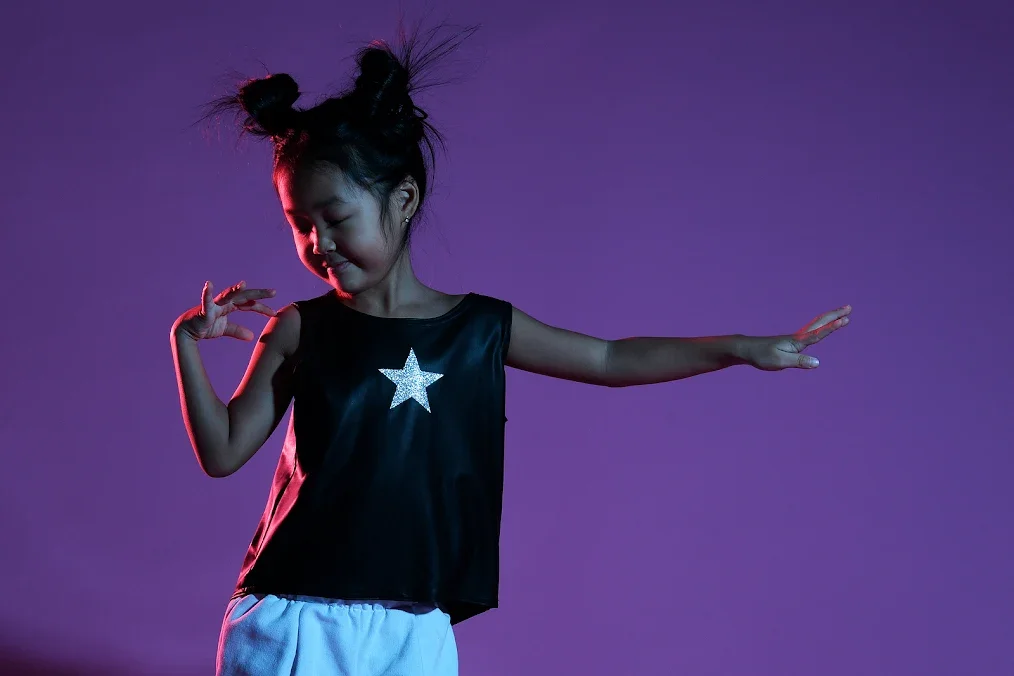
Dance is far more than a hobby for many children, it’s a formative experience that can shape confidence, resilience and physical wellbeing. For families in Singapore seeking enriching activities that go beyond the usual after‑school options, enrolling children in competitive dance classes can open doors to a world of personal growth and community.
In this article, we explore the many benefits of competitive dance classes for kids, from building strength and discipline to fostering friendships and self‑expression.
Enhanced Physical Fitness and Coordination
One of the most immediate benefits children gain from engaging in competitive dance classes is improved physical fitness. Dance training emphasises strength, flexibility, cardiovascular endurance and core stability, all of which contribute to overall health. As learners practise routine after routine, they develop better posture, improved balance and heightened body awareness. These physical skills not only support performance on the dance floor but also translate into everyday activities, from sports to playtime with friends.
Unlike more sedentary hobbies, competitive dance encourages children to move with purpose and control. Structured training helps refine motor skills such as coordination, timing and rhythm, which are crucial in early development and can support academic learning, especially in areas that require focus and precision.
Development of Discipline and Goal‑Setting Skills
Participating in competitive dance involves regular practice, dedication to improvement and a mindset geared toward achievement. As youngsters work towards mastering choreography or perfecting technique, they learn the value of persistence and self‑discipline. This structured environment teaches children how to set goals, work consistently towards them and celebrate milestones – skills that serve them well not only in dance but also in school and other life pursuits.
The nature of competitive dance also means students learn to handle challenges constructively. They understand that progress doesn’t always happen overnight, and they develop healthy coping strategies to deal with setbacks. These experiences nurture a growth mindset, where effort and resilience are recognised as key ingredients of success.
Boosted Confidence and Stage Presence
Another powerful benefit of competitive dance classes is the boost in self‑confidence that many children experience. Preparing for performances and competitions requires children to step outside of their comfort zone, which helps build courage and self‑assurance. When they showcase their routines in front of an audience or judges, they learn to manage nerves and take pride in their accomplishments.
This confidence often extends beyond the dance studio. Children who regularly perform tend to speak up more in class, express themselves more freely and feel more comfortable in social situations. Such self‑assurance
Strong Social Connections and Teamwork
Children in competitive dance classes have unique opportunities to form deep friendships with peers who share their passion. Dance teams and groups rely on cooperation, mutual support and shared effort to achieve success. As kids rehearse together, encourage one another and celebrate collective achievements, they build strong bonds and learn essential interpersonal skills.
These social connections contribute to a sense of belonging and community. For many young dancers, the friendships they forge become meaningful sources of encouragement and camaraderie, helping them navigate both dance challenges and typical childhood experiences.
Creative Expression and Emotional Well‑Being
Dance is a powerful form of creative expression. Through movement, children can communicate emotions and stories in ways that words sometimes cannot. Competitive dance classes provide a structured setting where creativity is nurtured and artistic expression is celebrated.
Engaging in creative activities like dance supports emotional wellbeing, giving children a healthy outlet for stress, joy and self‑discovery. As they explore different dance styles and choreography, they also develop an appreciation for aesthetics, music and performance art, enriching their cultural and artistic understanding.
Preparation for Broader Opportunities
For children who thrive in competitive environments, dance classes can serve as stepping stones to a wide range of opportunities. While not every young dancer will pursue a professional career in the arts, those who excel may find openings in advanced dance programmes, scholarships or auditions such as the Direct School Admission (DSA) scheme in Singapore.
Even for those who don’t follow a professional path, the technical skills, discipline and performance experience gained through competitive dance are valuable assets. Such training can support future endeavours in theatre, fitness, public speaking and leadership roles where confidence and stage presence are key.
Supportive Environment and Personal Growth
A well‑structured competitive dance programme emphasises safe, supportive training that nurtures each child’s development. Quality dance classes strike a balance between challenge and encouragement, promoting personal growth while safeguarding physical and emotional well‑being. This supportive environment helps children tackle challenges with resilience and maintain their love for dance over time.
With guidance from experienced teachers, dancers receive constructive feedback that helps them improve not only their technique but also their self‑reflection and adaptability – traits that are beneficial throughout life.
Lifelong Love for the Arts
Introducing children to competitive dance at a young age can instil a lifelong appreciation for the performing arts. Whether they continue to dance into adulthood or simply enjoy the memories and skills gained along the way, the experience enriches their lives with creative expression, discipline and joy. Participating in dance also exposes children to diverse music, cultures and artistic forms, broadening their horizons and inspiring curiosity.
Conclusion: Why Competitive Dance Matters for Kids in Singapore
Competitive dance classes offer far more than the opportunity to learn steps and routines; they foster holistic development in children. From physical fitness and discipline to confidence and social connection, the benefits of competitive dance resonate across many aspects of a child’s life. Families in Singapore looking to nurture their child’s potential and love for performance will find that structured dance training can be an incredibly rewarding investment in their future.
For parents seeking an environment that combines expert coaching with a supportive community, Visions Dance Studio delivers a high‑quality competitive dance programme tailored to help young dancers flourish on and off the stage. With professional guidance, a focus on personal growth and a vibrant dance community, Visions Dance Studio stands as a trusted place to begin your child’s journey in competitive dance and beyond.

