
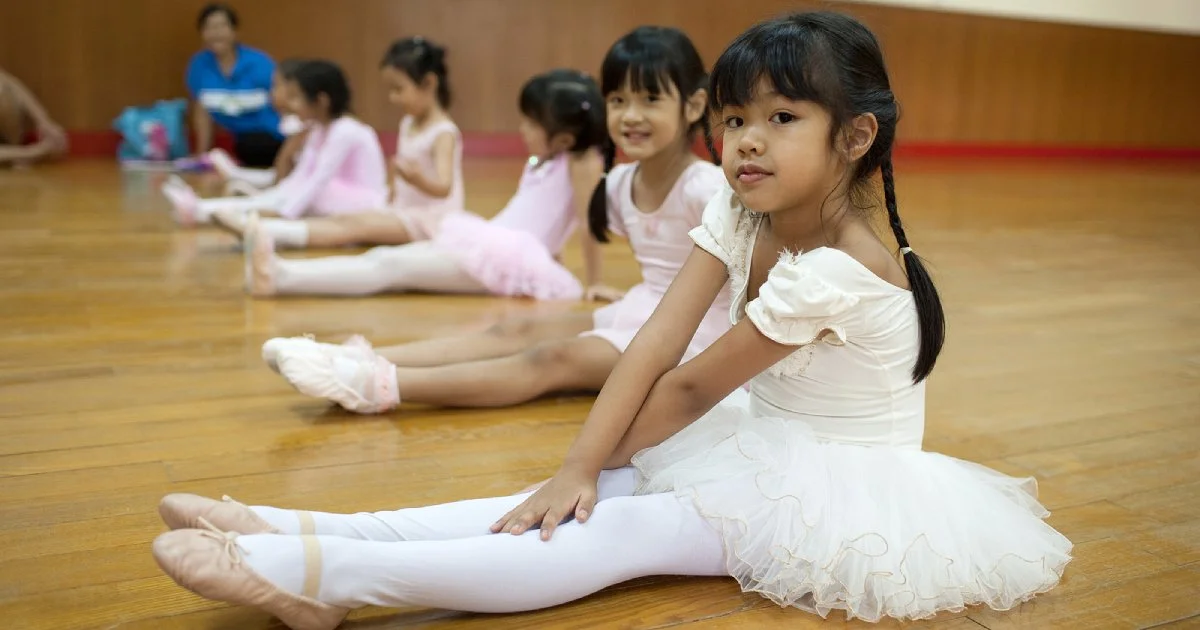
Early childhood is a time of boundless curiosity and rapid development. It’s during these formative years that experiences can leave a lasting imprint on a child’s sense of self, resilience, and joy in learning new skills. One such enriching experience is enrolment in ballet , especially preschool ballet classes in Singapore, which offer far more than graceful movements and pretty tutus. These classes can play a powerful role in boosting confidence, fostering social skills, and nurturing a foundation of discipline that children carry well beyond the dance studio.
The Magic Of Movement
From the moment little feet step onto the studio floor, ballet introduces children to structured movement and purposeful activity. The gentle routines in early ballet are designed to feel like play, helping toddlers and preschoolers explore physical expression in a joyful way. As they learn basic positions, stretches, and guided choreography, children begin to understand what their bodies are capable of achieving. This body awareness is not only about physical skill but also about confidence in trying new things and discovering personal strengths.
Ballet engages both mind and body, requiring young dancers to listen, follow instructions, and remember sequences of movement, skills that are essential in more advanced or competitive dance classes. As they successfully complete steps they once found tricky, children experience the thrill of achievement and a sense of “I did it!” that quietly builds self-assurance. Small victories like mastering a plié or balance position are essential building blocks in a child’s belief in their own potential.
Building Social Confidence
One of the most rewarding aspects of group dance classes is the social environment. In preschool ballet, children interact with peers while participating in shared activities. This provides a gentle yet effective way for young learners to develop communication skills, make friends, and feel part of a team. Attending class regularly helps children become more comfortable around others outside their immediate family, which in turn nurtures interpersonal confidence and social ease.
Teachers play a pivotal role here. Through positive reinforcement and kind encouragement, instructors help each child feel valued and supported. Celebrating even small improvements in a nurturing environment reinforces confidence and builds emotional resilience. Children learn that progress takes practice and that effort is something to be proud of.
Discipline Through Creative Play
Ballet is often structured around routines that require focus, listening, and repetition. Whilst this might sound challenging for a preschooler, in a well‑run class it’s woven seamlessly into imaginative play and engaging activities. This combination encourages young dancers to pay attention, follow simple instructions, and practise patience, which are all foundational elements of discipline. These skills transfer beautifully into many other areas of life, such as early learning at school and everyday interactions.
Dance also teaches children about setting and reaching goals. Whether it’s remembering a sequence of steps or taking part in a simple performance, meeting small milestones helps children view challenges as opportunities. They learn that persistence pays off, which strengthens their confidence and willingness to tackle new situations outside the studio.
Enhancing Emotional Expression
Ballet provides an expressive outlet that can be especially powerful for young children. Movement set to music allows them to express feelings in a way that words sometimes cannot. Through expressive gestures and rhythm, children begin to understand the connection between physical expression and emotion. This emotional literacy boosts self‑confidence as children become more comfortable exploring and understanding their own feelings.
Moreover, participating in performances, even informal class recitals, gives children a chance to showcase what they’ve learnt. Stepping into the spotlight, clapping for one another, and feeling proud of their accomplishments helps cultivate bravery and self‑esteem. These early experiences of presenting in front of others sow the seeds for confident communication later in life.
A Healthy Start To Lifelong Skills
The physical benefits of ballet are well documented. It enhances balance, posture, flexibility, and coordination, creating a healthy foundation for proper body alignment and movement habits. Beyond the physical advantages, these classes encourage perseverance and mental agility. Children learn to stay present in the moment — focusing on rhythm, timing, and coordination, which strengthens their concentration and cognitive skills.
These concentration skills support learning across multiple contexts, from problem‑solving to early literacy and numeracy tasks. The confidence that arises from mastering focused activities helps children feel capable and ready for challenges, both academic and social.
Cultivating Joy And Confidence Together
Choosing to enrol your child in preschool ballet classes can be one of the most impactful early experiences you provide. These classes are thoughtfully designed to balance structure with joy, encouraging children to discover their movement abilities while building confidence in a supportive environment. As they grow and learn, the skills they develop through ballet, from coordination and balance to social interaction and personal resilience, will stay with them well beyond their time in class.
For families seeking an enriching activity that builds both skill and self‑belief, venues like Visions Dance Studio offer a welcoming environment where young dancers can flourish. With classes tailored to nurture both creativity and confidence, Visions Dance Studio helps children step into their potential with grace, strength, and joy. Visit Visions Dance Studio online to explore class options and give your child the gift of confidence through dance.
