
Recovery Is Training: The Missing Piece in Every Young Dancer's Schedule
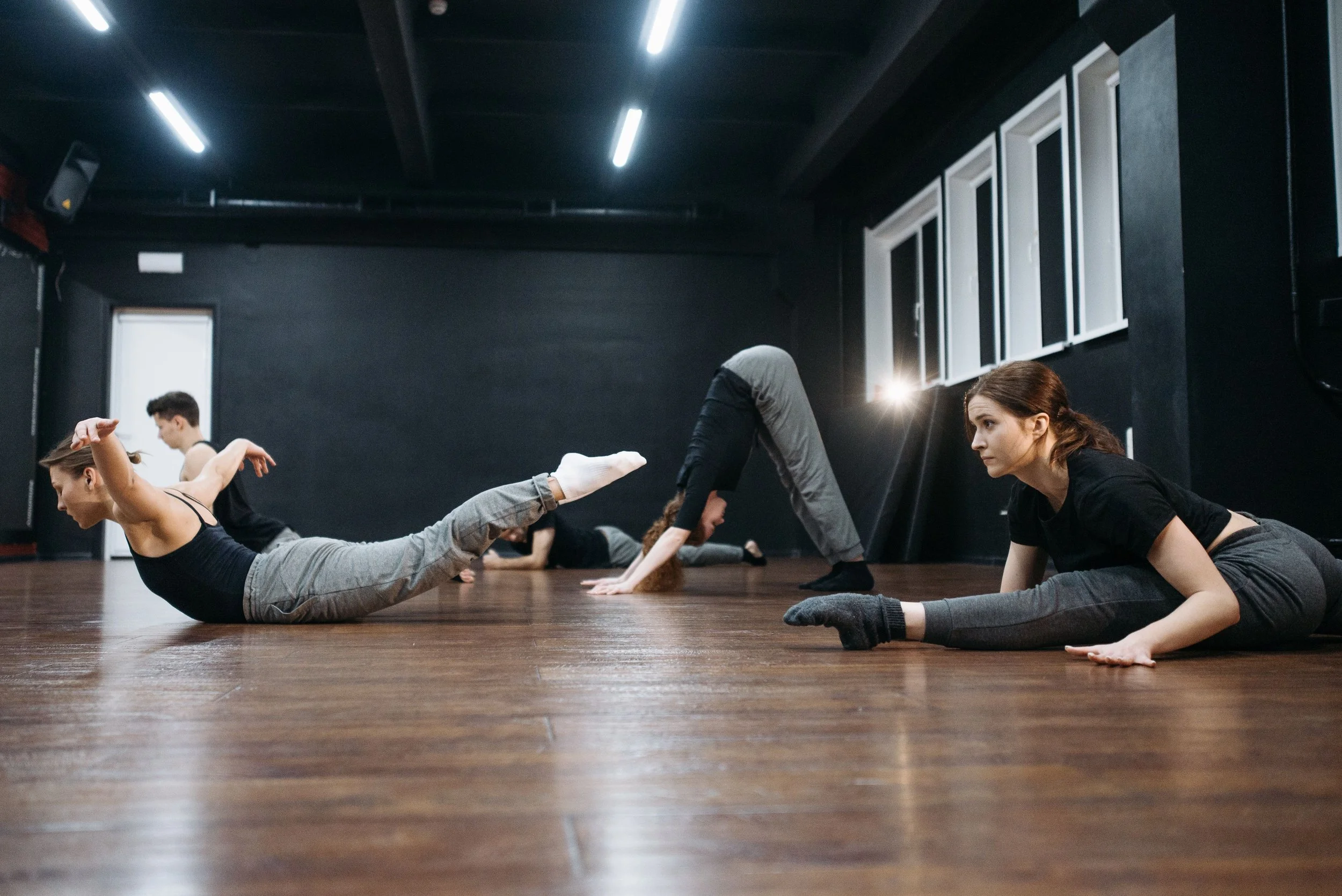
Photo by Pavel Danilyuk
When we think about helping young dancers improve, our minds often jump to more classes, better technique, and extra practice.
But what if one of the most important parts of training happens outside the studio?
As we do our own research, we’ve discovered that for young dancers, recovery is where the body adapts to the work it has done. Muscles repair, bones grow stronger, the brain stores new movement patterns, and energy is restored for the next class.
Without adequate recovery, even the most dedicated dancer can become fatigued, frustrated, or injured.
Recovery isn't simply "doing nothing." It's giving a growing body and mind the opportunity to benefit from all the hard work that happens in class.
At Visions Dance Studio, we believe that exceptional dancers are developed through more than great technique. Our holistic competitive dance programme is designed to support the whole dancer—not just the performer on stage.
Alongside high-quality dance training, we place equal importance on the foundations that allow young dancers to thrive for the long term. This includes education and support around dance nutrition, injury prevention, dance physiotherapy, recovery strategies, and mental wellbeing. By helping dancers understand how to care for both their bodies and minds, we aim to build healthy, resilient performers who can enjoy dance throughout childhood and beyond.
As this blog series unfolds, we'll explore the key pillars of recovery for young competitive dancers:
Why sleep is the ultimate performance enhancer
How nutrition supports both growth and dancing
The importance of rest days and active recovery
Why mental wellbeing and emotional recovery matter just as much as physical recovery
How free play can actually make better dancers
These principles are not separate from dance training, in fact, they are an essential part of it.
Whether a dancer dreams of competing, performing professionally, or simply enjoying dance for years to come, learning how to recover well is one of the most valuable skills they can develop.
The goal isn't to train less. It's to train smarter! Because healthy, well-rested dancers don't just perform better. They enjoy dancing more, stay healthier, and are more likely to continue dancing for years to come.
