
When Should a Young Dancer See a Physiotherapist?
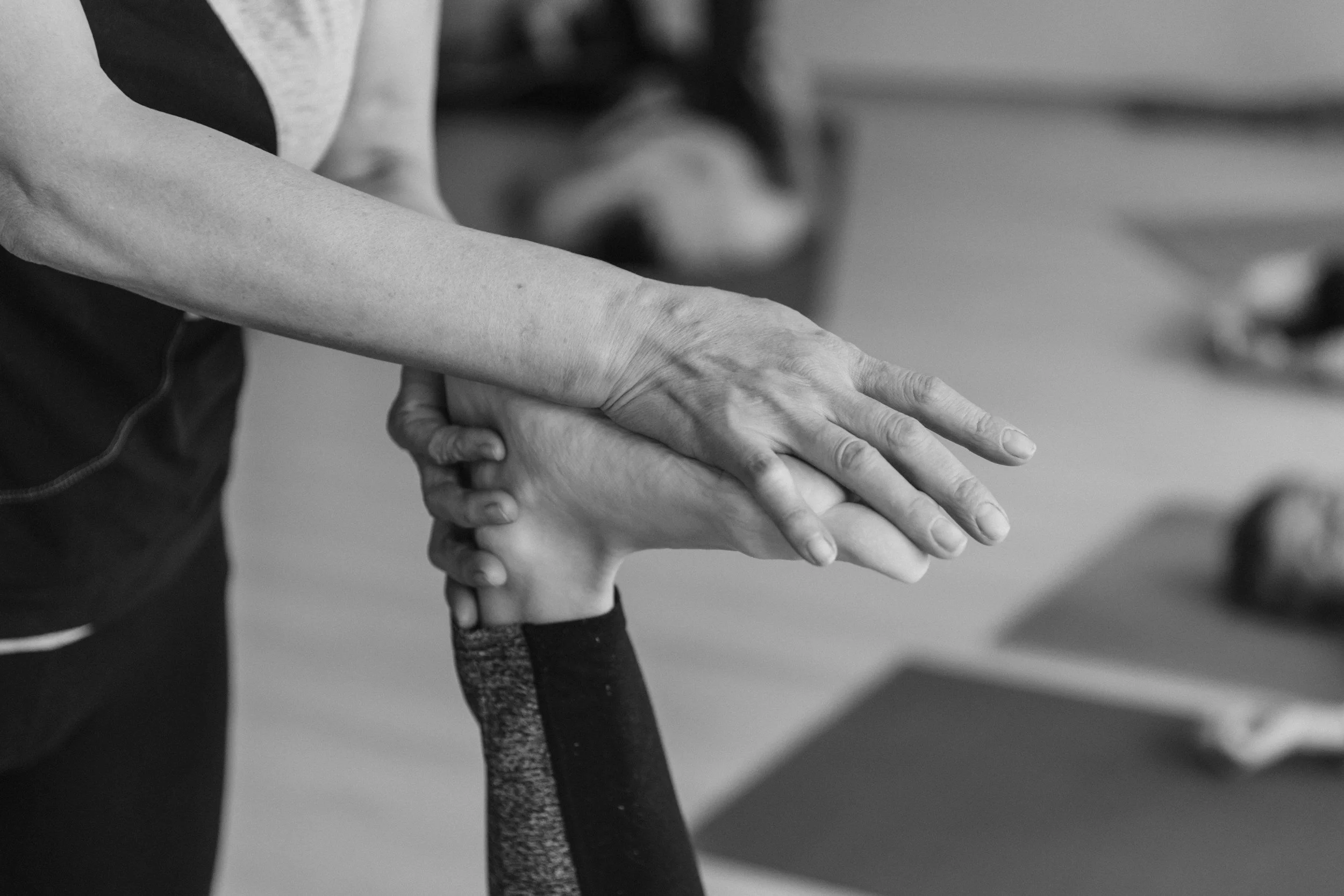
Image by: Raspopova Marina
Dance is a physically demanding activity. Young dancers regularly jump, turn, stretch and repeat movements as they develop their technique, and competitive dancers may train several times a week.
While some muscle soreness can be a normal part of physical activity, persistent pain, recurring injuries or changes in how a dancer moves should not simply be ignored.
So, when should a young dancer see a physiotherapist?
What Does a Physiotherapist Do for Dancers?
A physiotherapist can help assess and manage problems affecting movement, muscles, joints and other parts of the musculoskeletal system.
For dancers, this may include helping with:
Existing injuries
Recurring pain
Movement and strength
Rehabilitation
Returning to dance after an injury
Managing training loads
Identifying areas that may need additional support
Physiotherapy can also be part of a preventative approach. Understanding how a dancer moves and where they may have weaknesses or limitations can help inform appropriate conditioning and training.
1. When Pain Doesn't Go Away
One of the clearest reasons to seek professional advice is persistent pain.
Young dancers may sometimes experience temporary muscle soreness after a demanding class. However, pain that continues, keeps returning or affects a dancer's ability to participate deserves attention.
Dance can place repetitive demands on areas such as the feet, ankles, knees, hips and lower back. Young dancers can also be particularly vulnerable to certain overuse problems while their bodies are still developing.
Rather than encouraging a child to simply "dance through the pain", parents should consider getting the issue assessed.
2. When an Injury Keeps Coming Back
A dancer who repeatedly experiences the same injury or painful area may need more than simply rest.
For example, if an ankle, knee or hip problem keeps returning, there may be underlying factors contributing to it.
A physiotherapist can assess the dancer and help identify areas such as:
Strength deficits
Movement patterns
Stability
Mobility
Training load
Technique-related factors
This can help guide a more appropriate approach to returning to training and reducing the likelihood of the problem recurring.
3. When an Injury Changes How They Dance
Sometimes the most obvious sign isn't pain.
You may notice that your child:
Starts avoiding certain movements
Favors one side
Stops jumping as high
Changes their landing
Avoids putting weight on one leg
Has difficulty performing movements they previously managed comfortably
These changes can be worth paying attention to.
A young dancer may adapt their movement without even realising it because something hurts or feels uncomfortable. An assessment can help determine what may be contributing to the change.
4. After a Significant Injury
If your child has experienced a significant injury, appropriate professional assessment is important before simply returning to full training.
Depending on the injury, this may involve a doctor, sports medicine professional or physiotherapist.
For serious injuries—such as suspected fractures, significant swelling, an inability to bear weight, numbness or severe pain—medical attention should be sought promptly.
Once the injury has been assessed, a physiotherapist may help guide rehabilitation and a gradual return to activity.
5. When Returning to Dance After an Injury
One of the biggest mistakes a dancer can make is returning to full training simply because the pain has improved. Being pain-free doesn't always mean the body is ready for the full demands of competitive dance.
A gradual return may be needed to rebuild:
Strength
Stability
Coordination
Confidence
Dance-specific movement capacity
The return-to-dance process should be appropriate to the individual dancer and their injury.
For competitive dancers, this can also involve communication between the physiotherapist, dancer and dance coach so that training can be modified appropriately.
6. During Periods of Rapid Growth
Adolescence can bring significant physical changes in a relatively short period of time.
As young dancers grow, their strength, coordination, flexibility and movement patterns can change. This can sometimes affect how they perform movements they previously found comfortable.
The International Association for Dance Medicine & Science notes that adolescent dancers may benefit from informed medical support during growth spurts, including assessment and appropriate conditioning.
This doesn't mean every young dancer needs to see a physiotherapist whenever they grow. But if a dancer experiences new pain, changes in movement or difficulty adapting to their changing body, professional guidance can be valuable.
7. Physiotherapy Isn't Only for Injured Dancers
Physiotherapy doesn't have to begin with an injury.
For competitive dancers, assessment can also help identify areas that may benefit from additional physical preparation.
This might include looking at:
Strength
Balance
Stability
Mobility
Movement control
Dance-specific physical demands
The International Association for Dance Medicine & Science highlights screening as one way of helping dancers better understand their bodies and identify areas that may benefit from targeted work.
This is particularly relevant for dancers who are increasing their training volume or moving into more demanding levels of competition.
Don't Ignore the Small Signs
Parents don't need to become experts in dance injuries. However, they can play an important role by paying attention to changes in their child's physical wellbeing.
If your child frequently says something hurts, repeatedly experiences the same problem or begins changing how they dance, don't assume it's simply part of training.
Encourage them to communicate when something doesn't feel right.
Pain is information—not something a young dancer should automatically be expected to push through.
How Physiotherapy Fits Into a Holistic Dance Programme
At Visions Dance Studio, we believe that competitive dance development involves more than dance technique and choreography.
Our competitive programme takes a multidisciplinary approach, with support extending to areas including strength and conditioning, physiotherapy, mental health and nutrition.
Physiotherapy can complement dance coaching by helping dancers understand their bodies, manage injuries appropriately and develop the physical qualities needed to support their training.
The aim is not to make young dancers afraid of injury or overly focused on their bodies. Instead, it's about helping them develop the knowledge and habits to train safely, progressively and sustainably.
