
Common Myths About Competitive Dance Classes Explained
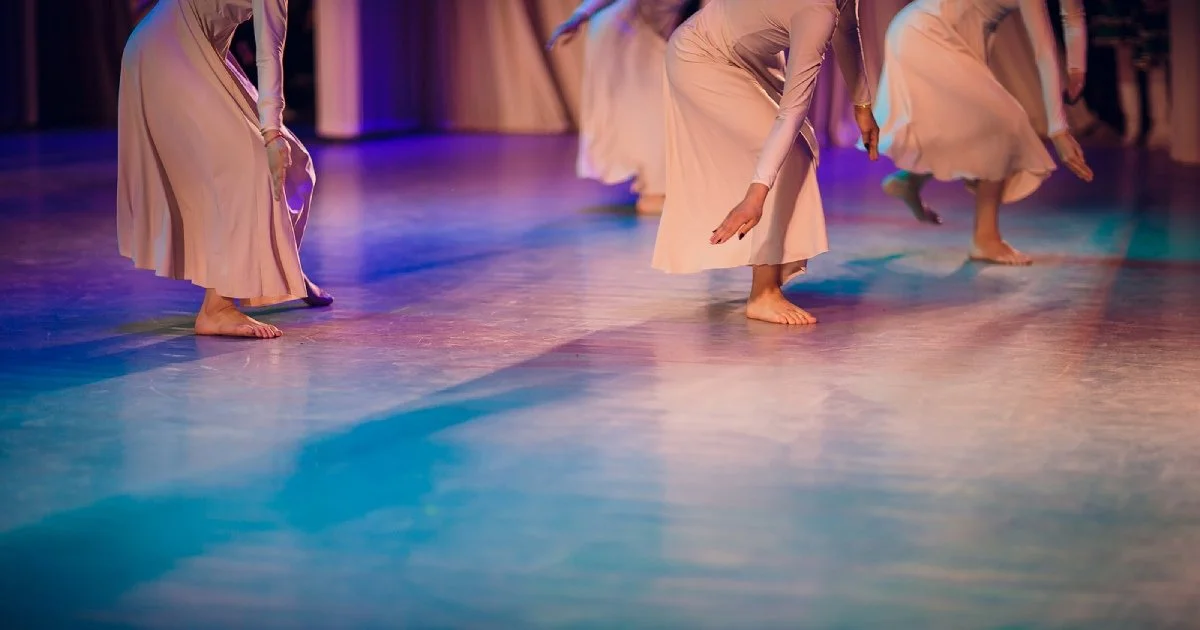
Bright lights, sparkling costumes and big trophies can make the world of dance competitions seem intimidating from the outside. It’s easy to assume that only naturally gifted children belong there, or that it’s all pressure and perfection. If you’ve been curious but hesitant, you’re not alone. Many parents and dancers hold back because of a few persistent myths.
Let’s clear the air and talk honestly about what competitive dance is really like, what families can expect, and whether it might be a good fit for your child.
Myth 1: Competitive dance is only for elite or “born-talented” kids
One of the biggest misconceptions is that competitive dance classes are reserved for children who are already exceptional. The truth is far more reassuring.
Most dancers don’t start out as prodigies. They begin as regular children who enjoy moving to music. What sets competitive dancers apart over time isn’t natural talent alone, but consistent training, dedication and a supportive environment.
Studios typically assess readiness based on a dancer’s commitment, focus and willingness to learn, not just flexibility or technique. Many children grow into their abilities once they have structured goals and performance opportunities.
If your child loves dancing and shows a genuine interest in improving, that’s often a stronger indicator of readiness than perfect pirouettes.
Myth 2: It’s all about winning trophies
From social media posts and stage photos, it can look like competitions are purely about medals and rankings. While awards are part of the experience, they’re not the heart of it.
A well-run programme places far more emphasis on growth, teamwork and performance quality. Judges’ feedback is often detailed and constructive, helping dancers understand what they’re doing well and where they can improve.
The benefits of competitive dance are often misunderstood. Yes, dancers may win awards. But the deeper benefits include resilience, time management, confidence and learning how to handle both praise and disappointment gracefully.
Winning feels great. Learning how to lose and come back stronger is even more valuable.
Myth 3: Competitive dance is too stressful for children
Any activity that involves performing in front of others can feel nerve-racking. But stress doesn’t automatically equal harm. In the right setting, it can actually build confidence.
Healthy competition teaches children to manage nerves, prepare thoroughly and trust their training. They learn how to channel adrenaline into performance energy. Over time, many dancers become more comfortable speaking in public, presenting in school and stepping outside their comfort zone.
Of course, the key is balance. Responsible studios prioritise mental wellbeing. They avoid unhealthy comparisons and encourage dancers to support one another rather than compete internally.
When handled thoughtfully, the stage becomes a place of empowerment rather than pressure.
Myth 4: It takes over your entire family life
Some families worry that joining a competitive team means endless rehearsals, no weekends and constant travel. While competitions do require commitment, they don’t automatically dominate your schedule.
Most studios outline training hours clearly before the season begins. Families can decide whether the time commitment suits their lifestyle. Some teams compete locally with a manageable number of events each year.
Organisation is important. Dancers learn to balance schoolwork, rehearsals and rest. Many families find that the structured routine actually helps their children develop better time management skills.
It’s not about sacrificing childhood. It’s about choosing an activity that fits realistically into your family’s rhythm.
Myth 5: It’s incredibly expensive and only for certain families
Cost is a valid concern. Competition fees, costumes and extra rehearsals can add up. However, it’s not accurate to assume that competitive dance is only for affluent families.
Many studios offer transparent breakdowns of fees, payment plans or fundraising opportunities. Costs vary widely depending on the number of competitions, travel requirements and costume choices.
It’s also worth considering the value aspect. Dance training often replaces multiple separate activities: physical exercise, creative expression, teamwork experience and performance training.
The key is having an honest conversation with the studio and understanding the financial commitment upfront, so there are no surprises later on.
What competitive dance is actually about
Strip away the myths and you’ll find that competition is really about growth.
Dancers learn how to:
Set goals and work steadily towards them
Accept constructive criticism without losing confidence
Support teammates and collaborate effectively
Perform under pressure
Celebrate improvement, not just outcomes
They also gain a deeper appreciation for technique, musicality and artistry. Training becomes more focused and purposeful, as routines are refined for performance.
Parents often notice changes beyond the studio as well. Children stand taller, speak more confidently and handle setbacks with greater maturity.
How to know if it’s right for your child
Every child is different. Some thrive in structured, goal-oriented environments. Others prefer recreational classes without the added pressure of performance.
A few questions to consider:
Does your child enjoy performing?
Are they motivated to practise and improve?
Can your family realistically manage the time commitment?
Does the studio prioritise wellbeing and positive culture?
A trial period or discussion with the studio director can provide clarity. Observing a rehearsal or competition can also give you a more realistic picture than what you see online.
Final thoughts
Competitive dance isn’t reserved for a select few, nor is it a guaranteed path to stress and burnout. When guided by experienced teachers in a supportive environment, it can be a powerful space for growth, friendship and confidence.
If you’re curious about whether competition might suit your child, speak with a trusted studio and ask honest questions. The right programme will focus on nurturing potential, not chasing perfection.
Ready to explore what’s possible? Reach out to Visions Dance Studio to learn more about our programmes and find the right fit for your dancer.
