
Strength & Conditioning for Young Competitive Dancers
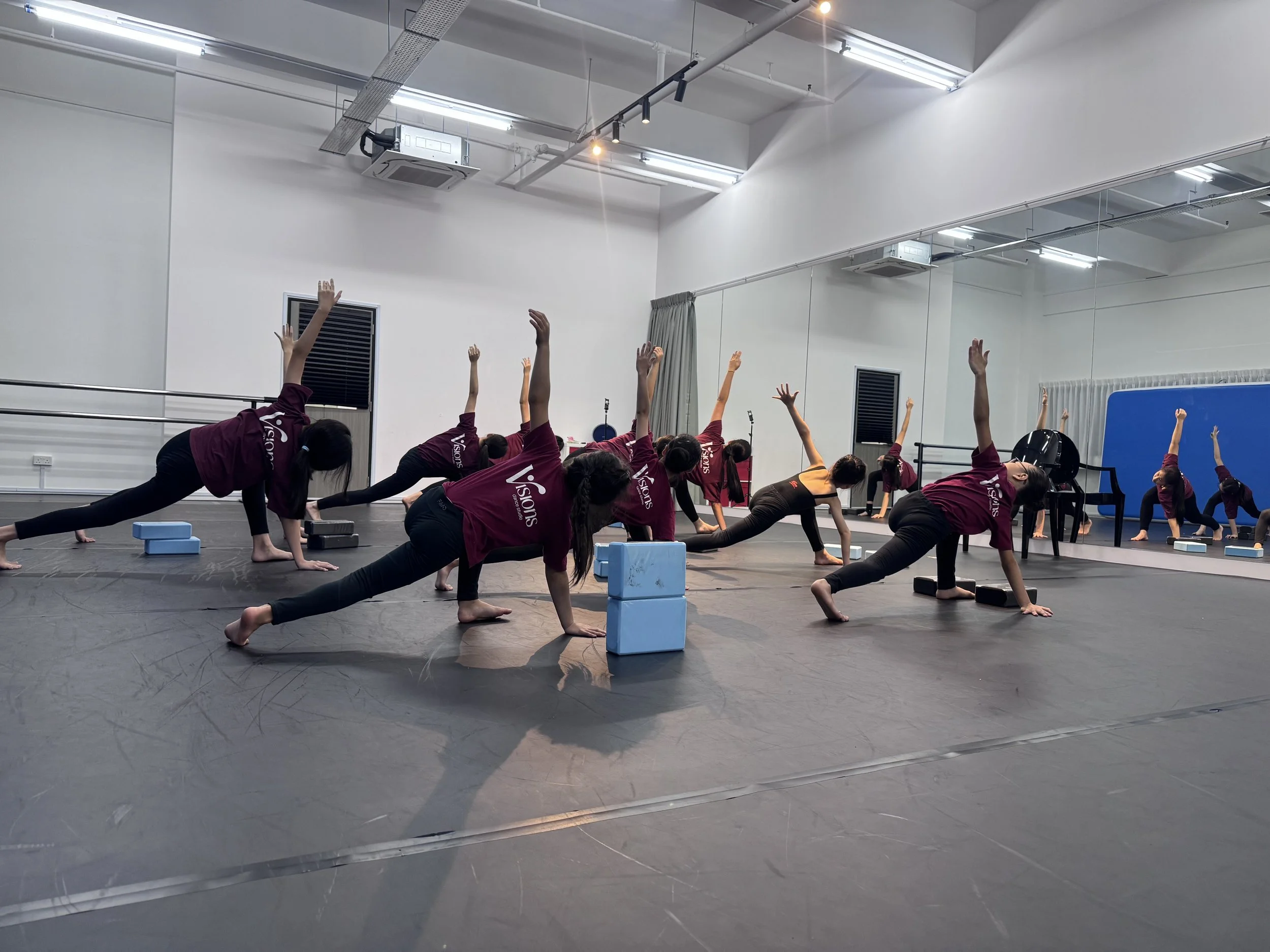
Dance may look effortless on stage, but behind every controlled movement, jump and turn is a significant amount of physical strength and coordination.
For young dancers who train competitively, dance technique is only one part of physical development. Strength and conditioning can complement dance training by helping young dancers build strength, stability, control and physical resilience.
But what exactly does strength and conditioning involve, and why does it matter for young competitive dancers?
What Is Strength and Conditioning?
Strength and conditioning (S&C) is a form of physical training designed to improve qualities such as strength, power, stability, mobility, coordination and endurance.
For dancers, the goal isn't simply to become stronger in the traditional sense.
Instead, S&C should be designed around the physical demands of dance and adapted to the dancer's age, experience and training needs.
A young dancer's programme may include exercises that develop:
Core and whole-body strength
Balance and stability
Coordination
Power
Mobility
Movement control
Muscular endurance
The exercises and training load should be appropriate for the individual dancer and supervised by someone with the relevant expertise.
Why Do Dancers Need Strength?
Flexibility is often associated with dance, but strength is just as important.
Dancers need sufficient strength to control their movements, maintain positions and produce force during activities such as jumping and landing.
For example, a dancer may need to:
Hold a position with control
Stabilise themselves on one leg
Absorb force when landing
Generate power for a jump
Maintain technique when fatigued
Control the speed and direction of a movement
Strength provides the foundation that allows dancers to perform these movements with greater control.
Strength Can Support Better Technique
Dance technique isn't just about knowing what movement to perform. Dancers also need the physical capacity to execute that movement correctly.
A dancer may understand the correct alignment for a movement, for example, but lack the strength or stability to maintain that position consistently.
Appropriate conditioning can help develop the physical qualities that support good technique.
This is particularly relevant as young dancers progress into more demanding training.
What About Flexibility?
Flexibility has an important place in dance, but more flexibility isn't always better. Dancers also need the strength and control to use their available range of motion effectively.
This is where the relationship between mobility and strength becomes important.
A holistic approach to dancer development considers:
Mobility — Can the dancer move through an appropriate range of motion?
Strength — Can they generate enough force?
Stability — Can they control their body during movement?
Coordination — Can they use these qualities effectively while dancing?
The goal is not simply to make a dancer more flexible, but to help them move with control.
Can Strength Training Help Prevent Injuries?
Young dancers place repeated demands on their bodies through training, rehearsals and performances.
While no training programme can guarantee that a dancer will never get injured, appropriate strength and conditioning may help prepare the body for the physical demands of dance.
Developing strength, stability and movement control can contribute to better physical preparedness.
However, injury prevention involves more than strength training. Training load, technique, recovery, sleep, nutrition and individual factors all matter too.
This is why strength and conditioning works best as part of a broader approach to dancer wellbeing.
Is Strength Training Safe for Young Dancers?
Parents sometimes worry that strength training is inappropriate for children or teenagers.
When properly designed, age-appropriate strength training can be incorporated into youth development.
The important factors are appropriate exercises, appropriate training loads, proper technique and qualified supervision.
Young dancers should not simply follow an adult strength programme. Their training should take their age, physical development, experience and dance schedule into consideration.
Strength and Conditioning for Competitive Dancers
Competitive dancers often have greater training demands than recreational dancers.
They may spend more time in dance classes, rehearsals and competition preparation, making physical preparation and recovery increasingly important.
S&C can complement their dance training by helping them develop the physical qualities needed to meet these demands.
Importantly, it should complement—not replace—dance training.
The dancer's programme should be coordinated so that conditioning, dance training and recovery work together rather than creating unnecessary fatigue.
A Multidisciplinary Approach to Young Dancer Development
Strength and conditioning is just one part of supporting a young competitive dancer.
At Visions Dance Studio, our competitive programme takes a multidisciplinary approach to dancer development.
Alongside experienced dance coaches and choreographers, we work with external professionals in areas including strength and conditioning, physiotherapy, mental health and nutrition.
This allows different aspects of a dancer's development to be considered together.
For example, a dancer's physical training needs may be considered alongside their dance schedule and recovery, while physiotherapy can provide additional support around movement and injury management.
The aim is to help young dancers develop their skills while building healthy and sustainable training habits.
When combined with quality dance coaching, appropriate recovery, nutrition, injury prevention and mental wellbeing support, it becomes part of a more complete approach to dancer development.
Ultimately, the goal isn't simply to make young dancers stronger.
It's to help them become stronger, more capable and more resilient dancers who can continue developing their skills in a healthy and sustainable way.
