
What Does a Holistic Approach to Competitive Dance Training Look Like?
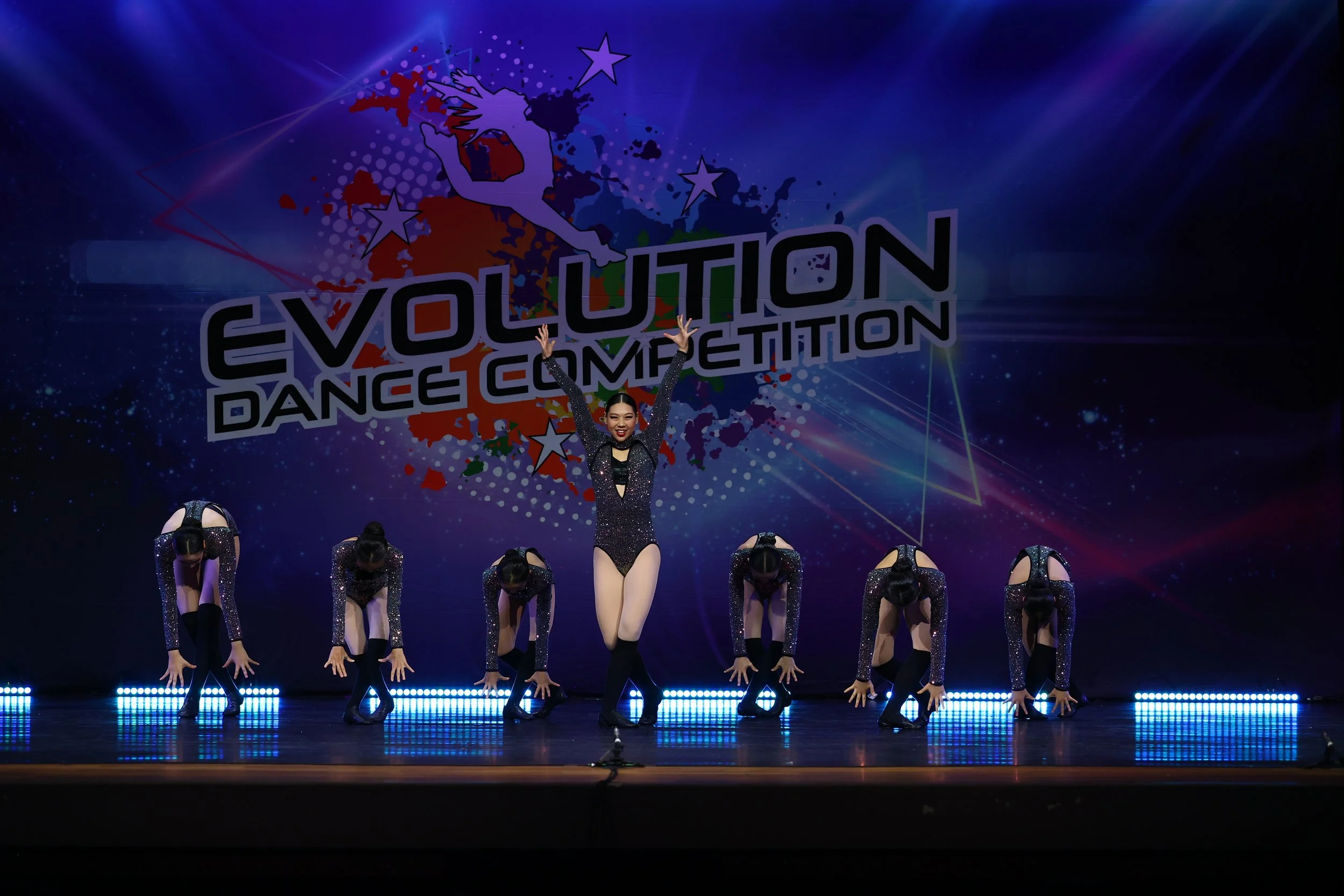
Competitive dance is often associated with long hours in the studio, challenging choreography and the pursuit of strong competition results. But developing a successful young dancer involves much more than dance technique alone.
A holistic approach to competitive dance training considers the dancer as a whole. Alongside technical and artistic development, it takes into account physical strength, injury prevention, recovery, nutrition and mental wellbeing.
For young dancers especially, this broader approach can help them develop their skills while building healthy and sustainable training habits.
What Is Holistic Dance Training?
Holistic dance training means looking beyond what happens during a dance class.
A competitive dancer needs to develop many different qualities, including:
Technical ability
Strength and control
Flexibility and mobility
Musicality and artistry
Performance skills
Physical resilience
Recovery habits
Mental resilience
Healthy nutrition habits
These areas are interconnected. A dancer who is physically exhausted may struggle to perform at their best. A dancer dealing with an injury may find it difficult to train consistently. Similarly, a dancer experiencing excessive pressure may lose confidence or enjoyment.
A holistic approach recognises these connections and supports each aspect of a dancer's development.
1. Dance Coaching and Technique
At the centre of any competitive dance programme is, of course, dance training.
Experienced dance coaches help dancers develop their technique, musicality, coordination and performance skills. Depending on the programme, dancers may train in disciplines such as ballet and jazz to build a broad technical foundation.
Choreography also plays an important role. Dancers need to learn how to apply their technique while developing musical interpretation, performance quality and individual expression.
Strong technical foundations provide the platform for everything else.
2. Strength and Conditioning
Dance requires significant physical strength and control.
Strength and conditioning can complement dance training by helping young dancers develop qualities such as:
Strength
Stability
Power
Coordination
Balance
Body control
This doesn't mean turning dancers into traditional athletes. Instead, appropriately designed conditioning can help dancers prepare their bodies for the physical demands of their training.
For young dancers, training should always be age-appropriate and properly supervised.
3. Injury Prevention and Physiotherapy
Competitive dancers can place significant demands on their bodies, particularly as training volume and intensity increase.
Injury prevention should therefore be part of a dancer's development rather than something considered only after an injury occurs.
Physiotherapy can play a role in identifying movement issues, managing injuries and supporting a dancer's return to training when appropriate. It's also important for dancers and parents to understand that pain shouldn't simply be ignored as part of becoming a better dancer.
Learning to recognise when the body needs attention is an important part of long-term development.
4. Recovery Is Part of Training
Training creates a stimulus for the body to adapt, but recovery gives the body an opportunity to respond.
Young dancers need adequate recovery between demanding training sessions. This includes:
Sufficient sleep
Rest days
Appropriate nutrition
Hydration
Managing training load
Listening to the body
More training isn't always better. Without adequate recovery, dancers may experience fatigue, reduced performance and an increased risk of injury.
A holistic programme therefore considers not only how much a dancer trains, but how well they recover.
5. Nutrition and Healthy Fuelling
Nutrition is another important part of supporting a young dancer.
Dancers need adequate energy and nutrients to support everyday growth as well as the demands of training.
Rather than focusing on body weight or appearance, the emphasis should be on healthy fuelling, energy, recovery and overall wellbeing.
Depending on a dancer's needs, professional nutrition guidance can help families understand how to support appropriate eating and hydration around training and competition.
This is particularly important for young dancers, who are still growing and developing.
6. Mental Wellbeing Matters Too
Competitive dance can be rewarding, but it can also come with pressure.
Young dancers may experience nerves before competitions, disappointment after performances, frustration when learning difficult skills or pressure to meet their own or others' expectations.
Mental wellbeing should therefore be considered alongside physical development.
Young dancers can benefit from learning how to:
Manage performance nerves
Respond to mistakes
Handle constructive feedback
Cope with setbacks
Set realistic goals
Develop confidence
Separate their self-worth from competition results
The aim isn't to eliminate pressure or difficult emotions. Instead, dancers should be supported in developing healthy ways to manage them.
7. The Importance of a Multidisciplinary Team
One of the biggest advantages of a holistic approach is that no single person needs to be responsible for every aspect of a dancer's development.
Dance coaches and choreographers bring expertise in dance technique and performance.
Other professionals can provide specialised knowledge in areas such as:
Strength and conditioning — physical preparation and performance support.
Physiotherapy — injury management, rehabilitation and movement-related support.
Nutrition — healthy fuelling and recovery.
Mental health — psychological wellbeing and strategies for managing performance pressures.
When these areas work alongside dance training, young dancers can receive more comprehensive support.
How Visions Dance Studio Takes a Holistic Approach
At Visions Dance Studio, we believe that developing competitive dancers involves more than improving their technique in the studio.
Our competitive dance programme for dancers aged 7–16 brings together experienced dance coaches and choreographers alongside external professionals in areas including strength and conditioning, physiotherapy, mental health and nutrition.
This multidisciplinary approach allows different areas of a dancer's development to be considered together.
Our goal isn't simply to help young dancers perform well at competitions. It's to help them build the physical, technical and mental foundations they need to continue developing while maintaining a healthy relationship with dance.
Developing the Dancer, Not Just the Performance
Competitive dance requires commitment, discipline and hard work. But developing a young dancer shouldn't be measured solely by trophies, rankings or competition results.
A holistic approach asks a bigger question:
How can we help this young person become a stronger, healthier and more resilient dancer while continuing to enjoy what they do?
By combining quality dance training with appropriate physical preparation, recovery, nutrition and mental wellbeing support, competitive dance can become an environment where young dancers are encouraged to pursue excellence without losing sight of their overall wellbeing.
For parents considering competitive dance in Singapore, looking beyond the choreography and competition results can help you identify a programme that supports your child's development both on and off the stage.
