
Why Free Play Might Be the Best Cross-Training for Young Dancers
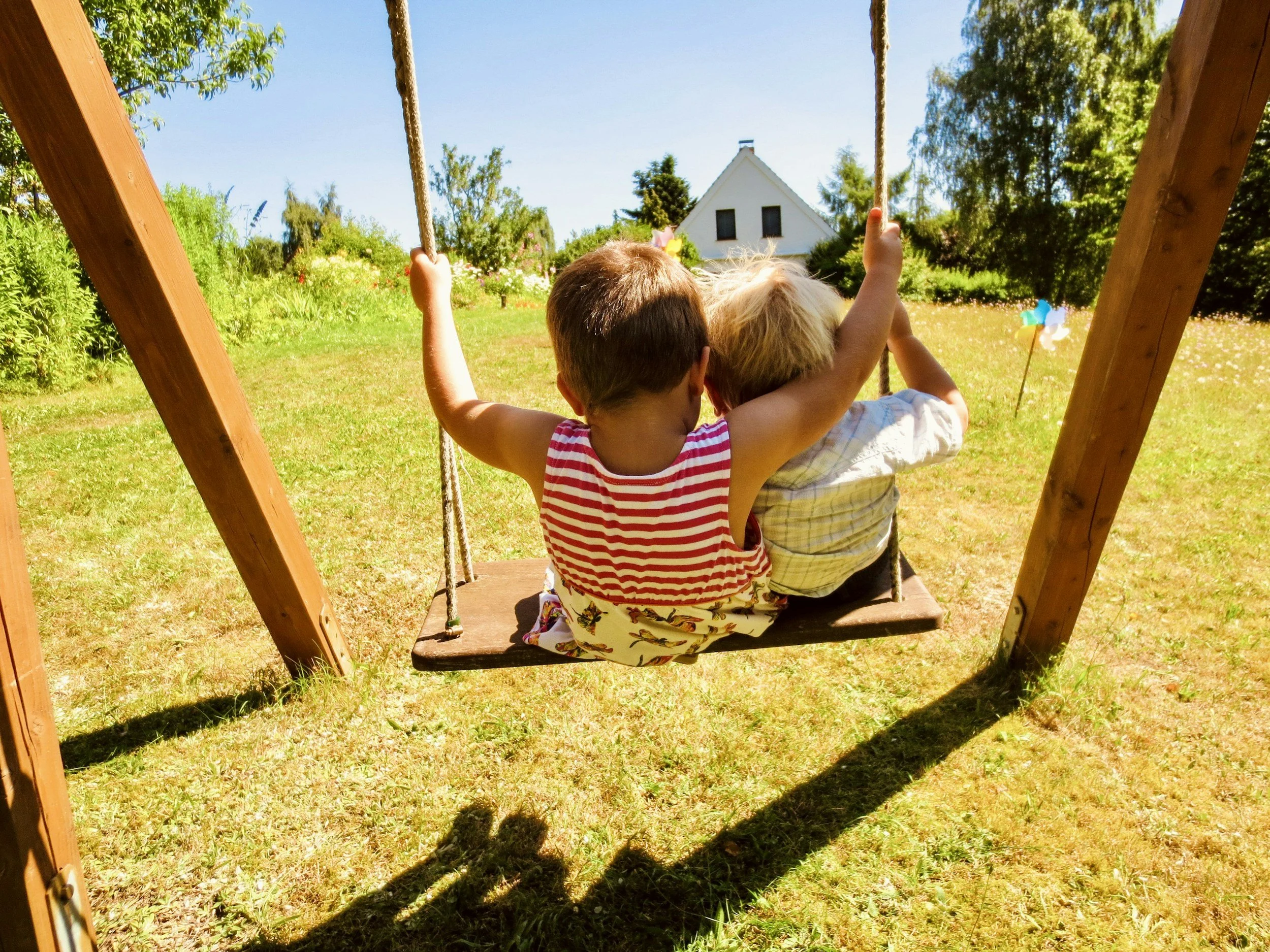
Photo by Sebastian Schuster
When children discover a love of dance, it's natural to want to nurture that passion. Many parents wonder whether extra classes, private lessons, or additional practice will help their child improve more quickly.
The answer might be surprising.
Some of the most valuable training a young dancer can do doesn't happen in a dance studio at all.
The Power of Free Play
Research in child development consistently shows that unstructured play is essential for healthy physical, emotional, and cognitive development. Activities like climbing trees, riding bikes, skipping, hiking, swimming, playing at the park, inventing games with friends, or simply dancing around the living room all help children build important movement skills.
These experiences develop:
Balance and coordination
Agility and body awareness
Strength and endurance
Creativity and problem-solving
Confidence and independence
Social and emotional resilience
Every different movement experience gives children a richer movement vocabulary. The more varied their experiences, the more adaptable and expressive they often become as dancers.
Why Variety Makes Better Dancers
Dance classes are structured for a reason. They teach technique, discipline, musicality, artistry, and precision. But because dance involves repeating similar movement patterns, growing bodies also benefit from movement that is less repetitive and more exploratory.
Free play gives children opportunities to:
Move without worrying about getting every step "right"
Explore movement naturally and creatively
Build athleticism in different ways
Develop confidence through self-directed challenges
Give specific muscles and joints a break from repetitive training
Sometimes the best way to improve at dance is to spend an afternoon climbing a playground, kicking a football, exploring a hiking trail, or creating imaginative games with friends.
These experiences complement dance training rather than compete with it.
Not Every Movement Needs Correcting
Young dancers spend a lot of time receiving feedback. Corrections are an important part of learning technique, but children also need opportunities to move simply because movement is joyful.
Not every jump needs perfect feet.
Not every turn needs a score.
Not every dance needs an audience.
When children are free to experiment without pressure, they often become more creative performers and more confident movers. That confidence carries back into the studio!
Healthy Children Become Stronger Dancers
One of the biggest misconceptions in youth sport is that more training always leads to better results.
In reality, long-term athletic development is about balance.
Children who have time for recovery, friendships, outdoor play, family activities, and a variety of movement experiences are often better equipped to enjoy dance over many years. They are less likely to experience burnout and more likely to develop a lifelong love of movement.
Our goal isn't simply to help children become stronger dancers this year.
It's to help them become healthy, resilient young people who continue to love dancing for years to come.
Our Philosophy: Developing the Whole Dancer
Our competitive dance programme is built on a holistic approach to dancer development. Technical excellence is important, but it sits alongside physical wellbeing, creativity, confidence, resilience, and healthy training habits.
We believe exceptional dancers aren't created through endless hours in the studio alone. They're developed through balanced training, thoughtful recovery, varied movement experiences, and the freedom to enjoy being children.
That's why we encourage our competitive dancers to embrace free play, participate in other recreational activities where appropriate, and prioritise overall wellbeing alongside their dance goals.
The result is not only stronger technique, but happier, healthier, and more confident young dancers.
Thinking About Competitive Dance?
If your child loves to dance and you're considering taking the next step, our competitive dance programme is designed to challenge and inspire dancers while supporting their long-term development.
We focus on building strong technical foundations, artistic expression, teamwork, confidence, and healthy training habits in an encouraging environment where every dancer can grow at their own pace.
If you're not sure whether competitive dance is the right fit, we also offer kids' trial dance classes. A trial class is a great opportunity for children to experience our teaching style, meet our instructors, and discover whether our programme is the right environment for them.
Because developing exceptional dancers begins with developing healthy, happy children—and sometimes, the best training happens long before they step into the studio.
