
How to Choose a Dance School in Singapore for Your Child
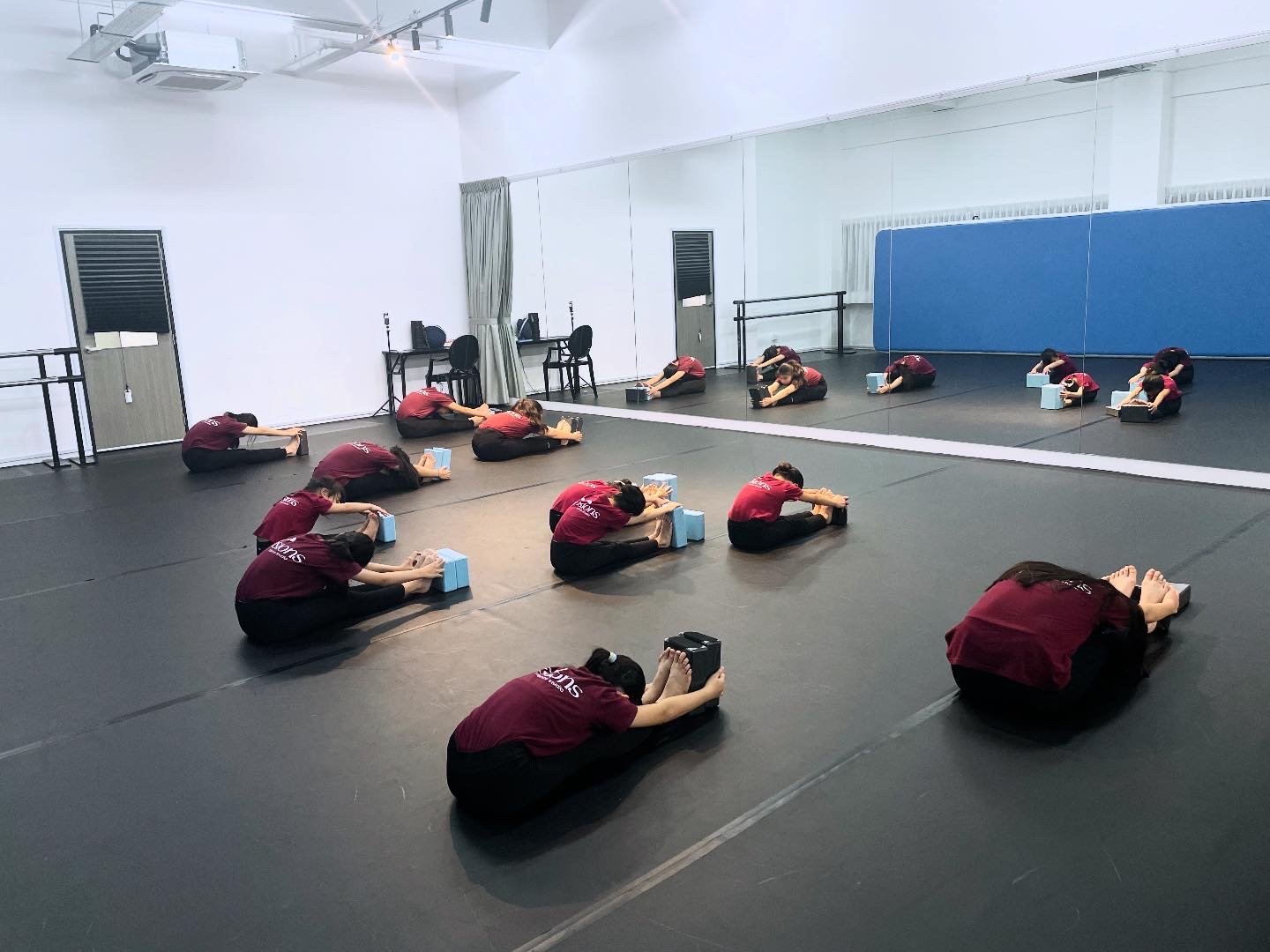
Choosing a dance school for your child is about more than finding a convenient location and a suitable class time. The right environment can help children develop their technique, confidence, creativity and love for dance.
With so many dance schools in Singapore, how do you know which one is right for your child?
Here are some key factors to consider before making your decision.
1. Consider Your Child's Age and Goals
Start by thinking about what your child wants from dance.
Some children simply want to have fun, stay active and try something new. Others may be interested in developing their skills more seriously or eventually competing.
Look for a dance school that offers programmes appropriate for your child's:
Age
Experience level
Interests
Training goals
Desired level of commitment
For younger children, enjoyment and confidence should be important parts of the experience. As children grow, they may naturally become more interested in structured or competitive training.
2. Look at the Teachers
The quality of teaching can have a significant impact on your child's experience.
When researching a dance school, find out about the teachers' experience and whether they have experience working with children of your child's age.
Being an excellent dancer doesn't automatically make someone an excellent teacher. Good children's dance teachers should be able to teach technique while creating an encouraging and age-appropriate environment.
It's also worth considering whether the teachers focus on more than technical ability, including musicality, artistry, confidence and individual expression.
3. Understand the Different Dance Pathways
Not every child needs to become a competitive dancer.
Recreational dance can be a great choice for children who want to enjoy dance as an extracurricular activity. Competitive dance, on the other hand, generally involves more intensive training, choreography, rehearsals and competition preparation.
Neither pathway is inherently better. The right choice depends on your child's interests, readiness and commitment.
If your child starts recreationally, find out whether the school offers opportunities to progress into more advanced or competitive training if their interests develop.
4. Look for a Clear Pathway for Progression
A good dance programme should give children opportunities to continue developing as they improve.
Ask whether the school offers:
Different levels or age groups
Progressive training
Performance opportunities
Workshops or intensives
Advanced classes
Competitive programmes
A clear pathway allows children to develop at an appropriate pace without feeling pressured to advance before they're ready.
5. Consider the Whole Dancer
For children training more intensively, dance development isn't just about technique and choreography.
Physical preparation, recovery and mental wellbeing can all influence a dancer's ability to train and perform consistently.
Parents considering competitive dance may want to ask how a school approaches:
Injury prevention
Strength and conditioning
Recovery
Nutrition
Mental wellbeing
Training load
At Visions Dance Studio, our competitive programme takes a multidisciplinary approach. Alongside experienced dance coaches and choreographers, we work with external professionals in areas including strength and conditioning, physiotherapy, mental health and nutrition.
Our goal is to support young dancers not just as performers, but as developing individuals.
6. Pay Attention to the Studio Environment
If possible, visit the studio or attend a trial class.
Observe how teachers interact with students. Do children appear engaged and comfortable? Are corrections constructive? Is there a positive atmosphere?
A good dance environment should allow children to make mistakes, ask questions and challenge themselves without being afraid of failure.
For competitive dancers especially, a supportive environment can make a significant difference as training becomes more demanding.
7. Think About Practical Considerations
The right dance school also needs to work for your family.
Consider:
Location: Is the studio reasonably convenient to travel to?
Schedule: Can classes fit alongside school and other activities?
Cost: Are there additional costs for costumes, performances, competitions or other activities?
Commitment: Does the expected training schedule suit your child's and family's availability?
A programme may be excellent, but if the schedule or commitment isn't sustainable, it may not be the right fit.
8. Don't Focus Only on Competition Results
If you're looking at competitive dance schools, it can be tempting to compare studios based on trophies and competition results.
While achievements can be an indicator of a programme's capabilities, they shouldn't be the only consideration.
Ask yourself:
How are the dancers taught?
Is training age-appropriate?
Is wellbeing prioritised?
Are students encouraged to develop their individuality?
Does the environment balance ambition with enjoyment?
A successful dancer is more than a collection of competition results.
9. Let Your Child Have a Say
Finally, remember that your child is the one who will be attending the classes.
If possible, let them experience a trial class and ask how they felt afterwards.
Did they enjoy it? Did they feel comfortable with the teacher? Did they enjoy the other students? Would they like to return?
Their enthusiasm and comfort are important factors when choosing a dance school.
There isn't one dance school that is perfect for every child. The right choice depends on their age, personality, interests and goals.
Whether your child is taking their first ballet class at three years old or preparing for competitive dance as a teenager, look for a school that offers quality teaching, appropriate progression and a supportive environment.
At Visions Dance Studio, we offer recreational dance classes for children, and a competitive dance programme for dancers aged 7–16, with training in disciplines including ballet and jazz.
Our competitive programme also takes a holistic approach, bringing together dance coaching and choreography with support in strength and conditioning, physiotherapy, mental wellbeing and nutrition.
Because developing a dancer isn't just about becoming a better performer—it's about helping young people become stronger, more confident and well-rounded individuals.
Looking for dance classes in Singapore? Explore Visions Dance Studio's recreational and competitive programmes to find the right pathway for your child.
