
Injury Prevention Tips Every Young Dancer Should Know
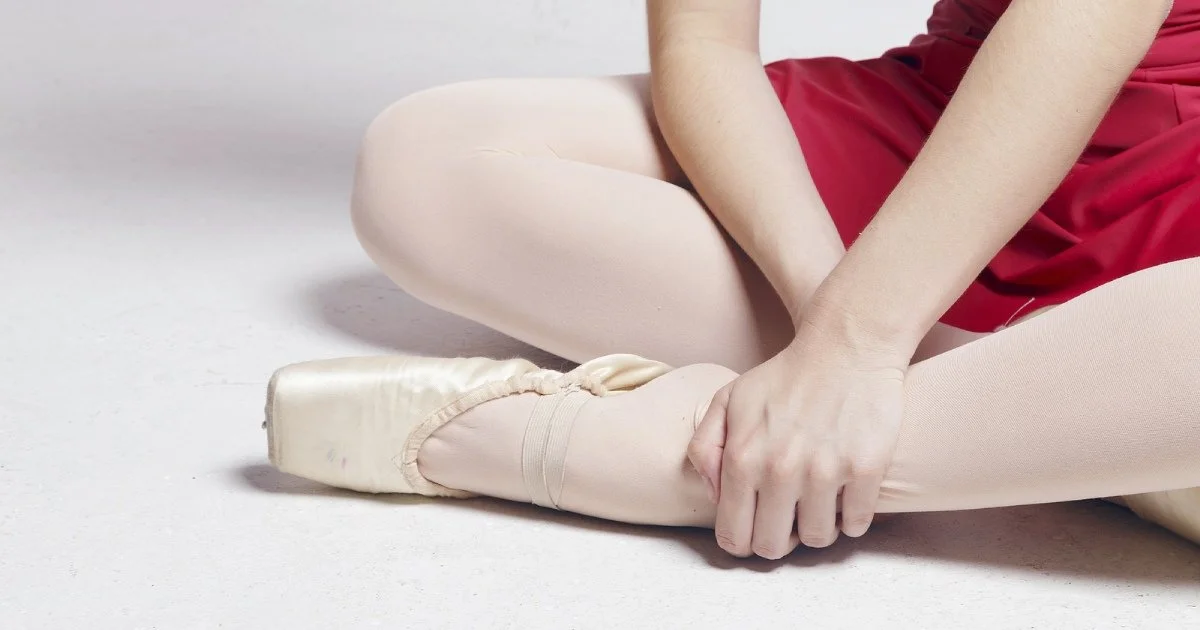
Dancing is exciting, expressive, and incredibly rewarding, especially for young dancers who are just starting to explore movement and creativity. But like any physical activity, dance comes with its fair share of risks. From overuse injuries to accidental strains, small issues can quickly grow into bigger problems if they are not managed early.
Building good habits from the start can make a huge difference. With the right approach, young dancers can stay safe, enjoy their training, and continue improving without unnecessary setbacks.
Here are some practical and easy-to-follow injury prevention tips every young dancer should know.
Start with a Proper Warm-Up
Jumping straight into routines without warming up is one of the most common causes of injury. Muscles need time to wake up and prepare for movement, especially for activities that involve jumps, turns, and stretches.
A proper warm-up does not have to be complicated. Simple movements like light jogging, gentle stretches, and basic dance exercises can increase blood flow and loosen muscles. This helps reduce the risk of strains and improves overall performance.
Encouraging young dancers to treat warm-ups as a non-negotiable part of their routine sets a strong foundation for safe training.
Focus on Technique, Not Just Tricks
It can be tempting to master impressive moves quickly, but rushing into advanced steps without proper technique often leads to injury. Clean technique is what supports the body and keeps movements controlled.
Teachers play an important role here, but young dancers should also learn to be patient with their progress. Taking the time to build strength, balance, and alignment will make more complex movements feel easier and safer in the long run.
Good technique is not just about looking polished. It is about protecting the body.
Listen to Your Body
Pain is not something to ignore. While some muscle soreness is normal, sharp or persistent pain is a sign that something is wrong.
Young dancers should feel comfortable speaking up when something does not feel right. Pushing through pain might seem like dedication, but it often leads to longer recovery times and more serious injuries.
Resting when needed is part of training, not a setback. Learning this early helps dancers build a healthier relationship with their bodies.
Wear the Right Gear
Proper dancewear and footwear can make a big difference in preventing injuries. Shoes that fit well provide the support needed for different styles, whether it is ballet, jazz, or hip-hop.
Clothing should also allow for full movement without being restrictive. Loose or ill-fitting items can sometimes cause trips or limit proper technique.
Parents and dancers should regularly check that their gear is still suitable, especially as children grow quickly and outgrow items faster than expected.
Do Not Skip Strength and Conditioning
Dance is not just about flexibility. Strength plays a huge role in keeping the body stable and reducing the risk of injury.
Simple exercises like core workouts, balance drills, and light resistance training can help young dancers build the strength they need. These exercises support joints and improve control, especially during challenging movements.
A well-rounded training routine helps dancers move more confidently and safely.
Prioritise Rest and Recovery
Rest is just as important as practice. Overtraining can lead to fatigue, which increases the likelihood of mistakes and injuries.
Young dancers often juggle school, activities, and social commitments, so it is important to schedule proper rest days. Sleep also plays a key role in recovery, allowing the body to repair and grow stronger.
Encouraging a balanced routine helps dancers stay energised and motivated.
Stay Hydrated and Eat Well
Fueling the body properly supports both performance and recovery. Dehydration can lead to cramps and fatigue, while poor nutrition may affect strength and endurance.
Young dancers should aim to drink enough water throughout the day and eat balanced meals that include carbohydrates, protein, and healthy fats. Snacks before and after classes can also help maintain energy levels.
Healthy habits off the dance floor are just as important as what happens during practice.
Create a Safe Training Environment
The space where dancers train matters more than many people realise. Floors should be suitable for dance, offering enough grip without being too hard on the joints.
This is where the importance of space comes into play. A well-designed studio with proper flooring, ventilation, and room to move reduces the risk of accidents and allows dancers to perform comfortably.
For those looking for flexible training options, choosing a reliable dance studio rental in Singapore can ensure access to safe and well-maintained facilities. Having enough room to practise freely also prevents collisions and helps dancers execute movements correctly.
Learn to Cool Down
Cooling down is often overlooked, but it is an essential part of injury prevention. After an intense session, the body needs time to gradually return to a resting state.
Gentle stretching and slow movements help reduce muscle stiffness and improve flexibility over time. It is also a good moment to reflect on what was learnt during the session.
Making cool-downs a habit can help prevent soreness and support long-term progress.
Build a Supportive Routine
Consistency is key when it comes to injury prevention. Small habits, when practised regularly, add up over time.
Parents, teachers, and dancers all play a role in creating a supportive environment. Open communication, proper guidance, and encouragement can help young dancers feel confident and cared for.
Rather than focusing only on results, shifting the focus to overall well-being helps dancers enjoy the journey and stay in the activity longer.
Know When to Seek Help
Sometimes, injuries happen despite best efforts. Knowing when to seek professional help is important.
If pain persists or worsens, it is always better to consult a doctor or physiotherapist. Early intervention can prevent minor issues from becoming serious problems.
Learning to take injuries seriously teaches young dancers to respect their bodies and prioritise long-term health.
Growing Stronger, Safely
Dance should be a joyful experience. With the right habits and awareness, young dancers can build strength, confidence, and resilience while staying safe.
Injury prevention is not about limiting what dancers can do. It is about giving them the tools to grow, improve, and enjoy every step of their journey.
If you are looking for a supportive environment where young dancers can learn safely and confidently, consider joining Visions Dance Studio. With experienced instructors and a focus on proper technique and care, it is a great place to nurture both skill and well-being.
