
Recreational vs Competitive Dance: Which Path Fits Best
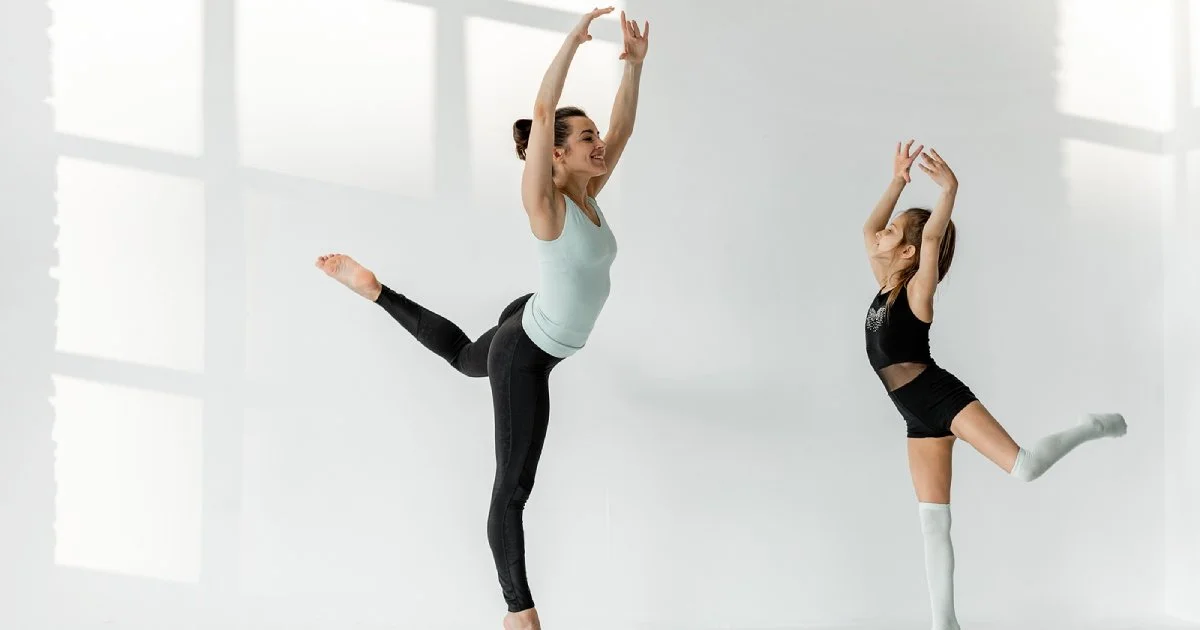
Choosing a dance class often starts with a simple goal: to move, have fun, and try something new. But as interest grows, many dancers and parents find themselves asking a bigger question. Should dance remain a relaxed, recreational activity, or is it worth stepping into a more structured, performance-driven environment?
Both recreational and competitive dance offer meaningful experiences. The right path depends on personality, goals, and what you want to get out of dancing in the long run.
Understanding Recreational Dance
Recreational dance is all about enjoyment, exploration, and personal growth. Classes are typically once or twice a week, with a focus on learning basic techniques while keeping things light and engaging.
For many children and beginners, this is the perfect starting point. There is no pressure to perform at competitions, and progress happens at a comfortable pace. Dancers get to try different styles, meet new friends, and build confidence in a supportive setting.
Parents often choose recreational classes because they allow children to develop coordination and creativity without overwhelming schedules. It also leaves room for other activities, whether that is schoolwork, sports, or family time.
Recreational dance is especially valuable for those who:
Want to dance for fun rather than achievement
Prefer a low-pressure environment
Are exploring dance for the first time
Have multiple commitments outside of dance
It creates a strong foundation while keeping the experience enjoyable and sustainable.
What Competitive Dance Looks Like
Competitive dance introduces a more structured and goal-oriented approach. Dancers train more frequently, work on choreography in detail, and perform in competitions throughout the year.
This path often involves competitive dance classes, where students are selected or invited based on their commitment, skill level, and readiness to take on more intensive training.
Unlike recreational classes, competitive programmes focus heavily on technique, precision, and performance quality. Dancers rehearse routines repeatedly, refine small details, and learn how to perform confidently in front of judges and audiences.
The schedule can be more demanding, with additional rehearsals, costume fittings, and weekend competitions. It requires discipline, time management, and a genuine passion for dance.
The Key Differences That Matter
While both paths involve learning dance, the experience can feel quite different day to day.
1. Commitment Level
Recreational dance is flexible and easy to fit into a weekly routine. Competitive dance requires a higher level of commitment, often involving multiple classes and rehearsals each week.
2. Training Intensity
Recreational classes focus on enjoyment and gradual improvement. Competitive training pushes dancers to refine their technique and performance skills at a faster pace.
3. Performance Opportunities
Recreational dancers may perform in annual showcases or small recitals. Competitive dancers perform regularly at competitions and events, gaining more stage experience.
4. Goals and Mindset
Recreational dancers typically aim to enjoy the process. Competitive dancers work towards measurable goals such as improving scores, mastering techniques, and achieving personal bests.
Is Competitive Dance the Right Fit?
Competitive dance can be incredibly rewarding, but it is not for everyone. It suits dancers who are motivated, resilient, and excited by challenges.
Some children naturally gravitate towards this environment. They enjoy practising routines, setting goals, and performing under pressure. Others may prefer a more relaxed pace where they can simply enjoy dancing without expectations.
A helpful way to decide is to observe how a dancer responds to feedback and practice. Do they enjoy repeating routines to get things right? Are they excited about performing on stage? Do they show interest in improving beyond the basics?
If the answer is yes, competitive dance may be a good fit.
The benefits of competitive dance can be significant. Dancers often develop strong discipline, teamwork, and resilience. They also gain confidence from performing regularly and learning how to handle both success and setbacks.
When Recreational Dance Is the Better Choice
Recreational dance should never be seen as a lesser option. For many dancers, it is exactly what they need.
Some children thrive when they are free to enjoy movement without pressure. They may prefer trying different styles rather than specialising in one. Others simply want dance to be a fun part of their week rather than a central commitment.
Recreational dance also works well for:
Younger children who are still building basic skills
Students balancing academic demands
Individuals who want to stay active without competition
The goal here is not to win or compete, but to enjoy the journey and build confidence at a natural pace.
Can You Switch Between the Two?
One of the most reassuring things about dance is that the path is not fixed. Many dancers start recreationally and later move into competitive programmes once they discover a deeper interest.
Likewise, some dancers step back from competition if their priorities change. There is no single “correct” path, and flexibility is part of what makes dance such an inclusive activity.
A good dance school will support this transition, offering guidance based on each dancer’s readiness and goals.
Finding the Right Balance
For some dancers, the best approach is a mix of both. They may take recreational classes for enjoyment while participating in a small competitive team for performance experience.
This balance allows dancers to experience the structure and excitement of competitions without feeling overwhelmed. It also helps them explore their interests before committing fully to one path.
Parents can play a key role here by observing how their child responds to different environments. If dance continues to bring joy while also building confidence, that is usually a sign that the balance is right.
What Matters Most
Choosing between recreational and competitive dance is less about which is better and more about what suits the individual.
Some dancers flourish when they are challenged and pushed to improve. Others shine when they are given space to explore and enjoy movement freely. Both paths offer valuable lessons that go beyond dance itself.
Confidence, discipline, creativity, and resilience can all be developed in different ways depending on the environment.
What truly matters is that the dancer feels supported, motivated, and happy to keep showing up each week.
Conclusion
Dance should feel like something to look forward to, whether it is a fun weekly class or a more focused training journey. The right path is the one that keeps a dancer engaged, growing, and enjoying the process.
If you are exploring dance options and unsure where to begin, starting with the right guidance can make all the difference. At Visions Dance Studio, dancers of all levels are supported in both recreational and competitive pathways, with experienced instructors who understand how to nurture confidence and skill at every stage.
