
Signs Your Child Is Ready for Competitive Dance Training
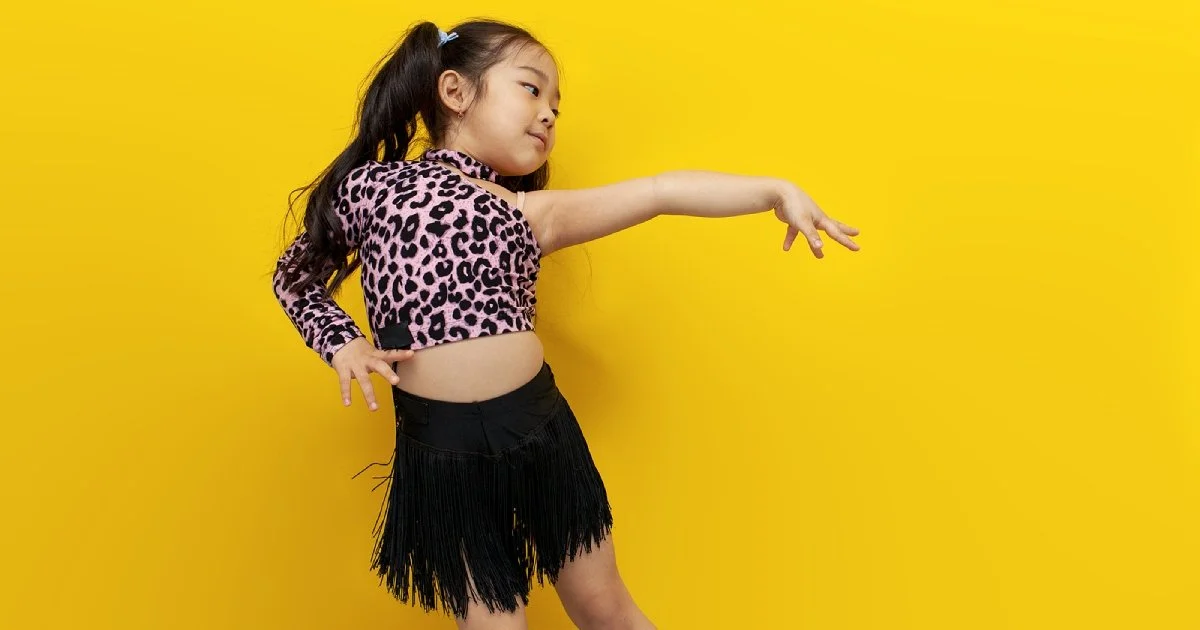
Confidence often shows up in small, everyday moments. It might be the way your child practises a routine without being asked, or how they light up when music starts playing. For many parents, these little signs spark a bigger question: is it time to take dance more seriously?
Competitive dance training can be an exciting next step, but it is not something to rush into. Every child develops at their own pace, and readiness goes beyond just talent. It is about mindset, commitment, and a genuine love for dancing.
Here are some clear, people-first signs that your child may be ready to explore this path.
They Show Consistent Interest in Dance
Plenty of children enjoy dancing, but those who are ready for competitive training tend to show a deeper level of interest. They may practise steps at home, watch dance videos for inspiration, or ask thoughtful questions during class.
This consistency matters. Competitive dance classes require regular training, repetition, and patience. A child who naturally returns to dance again and again is more likely to stay engaged even when things become challenging.
You might notice them creating their own routines in the living room or asking to replay a song just to get the timing right. These small habits often signal genuine passion rather than a passing hobby.
They Are Open to Feedback
Learning to dance well involves correction. Teachers will point out posture, timing, technique, and expression, sometimes repeatedly. A child who is ready for competitive training can accept feedback without feeling discouraged.
This does not mean they will never feel frustrated. That is completely normal. What matters is how they respond. Do they try again? Do they listen and apply corrections? Do they show a willingness to improve?
Children who see feedback as part of learning, rather than criticism, tend to thrive in more structured environments.
They Can Stay Focused During Practice
Competitive training requires longer attention spans. Classes may be more intensive, and rehearsals can run for extended periods. A child who can stay focused, follow instructions, and remain engaged throughout practice is showing an important sign of readiness.
You might see this during regular classes. They listen carefully, remember combinations, and stay on task even when others get distracted. This level of focus builds the foundation needed for more advanced training.
They Enjoy Performing
Some children love the spotlight, while others take time to grow into it. If your child shows excitement about performing, whether at small recitals or informal showcases, it is a positive indicator.
Competitive dance often involves performing in front of judges and audiences. Children who enjoy expressing themselves on stage, rather than feeling overwhelmed by it, are more likely to embrace the experience.
That said, confidence can be built over time. Even a child who starts off shy but gradually becomes more comfortable performing may be ready for the next step.
They Demonstrate Physical Readiness
Dance is both an art and a physical activity. Strength, flexibility, coordination, and stamina all play a role in competitive training.
You may notice your child picking up movements quickly, maintaining balance, or showing improved control over their body. They might also be able to handle longer sessions without tiring easily.
Proper training environments also matter. Having enough room to practise safely and comfortably supports progress, which is why some families look for options to rent a dance studio for extra practice time outside of regular classes. It gives children the space to refine their movements and build confidence at their own pace.
They Show Discipline and Commitment
Competitive dance is not just about talent. It involves commitment to schedules, rehearsals, and sometimes additional practice at home.
If your child is willing to stick to routines, arrive on time, and put in effort even when they are tired, it is a strong sign they are ready. Discipline at a young age does not mean perfection. It simply means they understand that improvement takes time and effort.
You might notice them choosing to practise instead of doing something else, or taking pride in getting a routine right after several attempts. These behaviours reflect a growing sense of responsibility.
They Work Well with Others
Dance is often a team effort. Even solo performers train alongside others, share space, and support each other during rehearsals.
Children who are ready for competitive training usually show respect for their peers and teachers. They understand the importance of teamwork, take turns, and encourage others.
A positive attitude in a group setting makes the experience more enjoyable and helps build strong relationships within the dance community.
They Express Their Emotions Through Movement
Beyond technique, dance is about storytelling and expression. Children who naturally use movement to convey emotions often stand out in performances.
You might notice how they interpret music differently, adding their own flair or emotion to routines. This ability to connect with the music and express feelings through movement is a valuable quality in competitive dance.
It does not need to be perfect. What matters is their willingness to explore and express themselves authentically.
Understanding Expectations Matters
Before transitioning into competitive training, it helps to have open conversations with your child. Talk about what to expect, including longer hours, more structured classes, and the possibility of both wins and losses.
There are also common myths about competitive dance that can create unnecessary pressure. Some people assume it is only for naturally gifted children or that it is overly intense for young dancers. In reality, a supportive environment and the right guidance can make it a positive and enriching experience.
The goal is not just to win competitions, but to build confidence, resilience, and a deeper appreciation for dance.
They Are Still Having Fun
Perhaps the most important sign is simple. Your child enjoys dancing.
Even with added structure and expectations, the joy should still be there. They should look forward to classes, feel excited about learning new routines, and find satisfaction in improving.
If dance starts to feel like a chore, it may be worth reassessing the pace or approach. The best outcomes happen when children feel motivated from within, not pressured from the outside.
Supporting Your Child’s Next Step
If you recognise several of these signs, your child may be ready to explore competitive dance training. The next step is finding the right environment where they can grow at a comfortable pace.
Look for a studio that focuses on both technique and personal development. Teachers who encourage, guide, and support each child make a big difference in the overall experience.
A gradual transition often works best. Starting with more structured classes or small performance opportunities can help your child adjust before committing fully to competitions.
Conclusion
Every child’s dance journey is unique. Readiness for competitive training is not defined by a single moment, but by a combination of interest, attitude, and growth over time. Paying attention to these signs can help you make a decision that feels right for both you and your child.
If you are considering the next step, Visions Dance Studio offers a supportive and encouraging environment where young dancers can build skills, confidence, and a lasting love for dance.
