
Understanding The Four Major Styles Of Ballet Dance
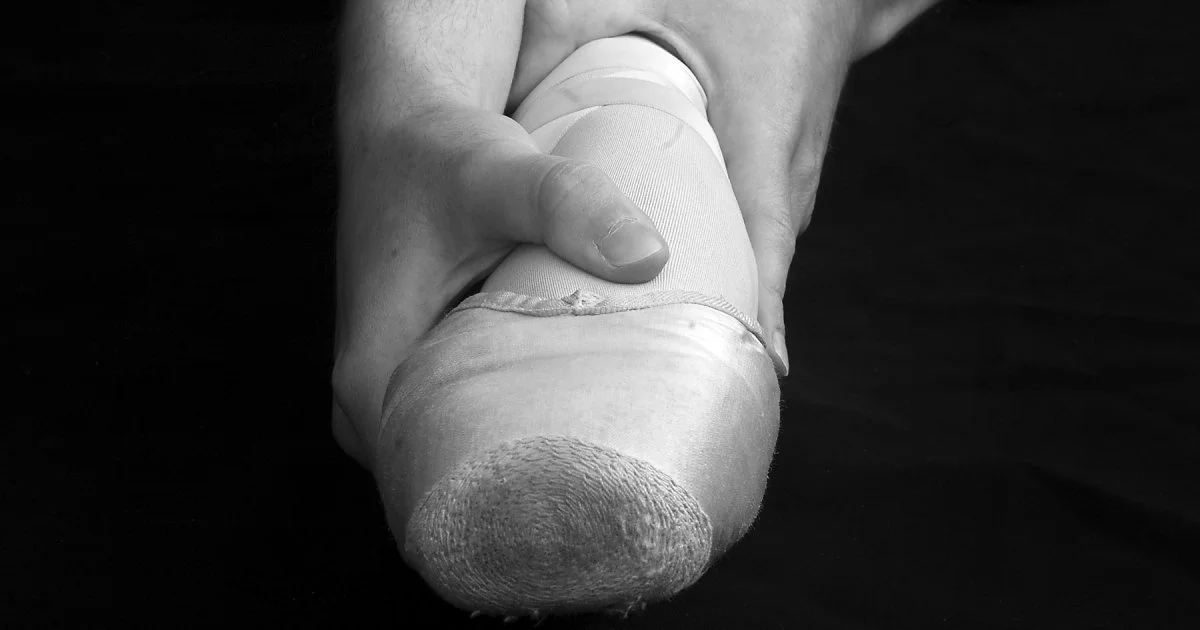
Ballet often looks effortless from the audience’s seat. Dancers glide across the stage, spin with precision, and hold impossible poses with calm expressions. Yet behind that grace lies centuries of history, structure, and evolving styles. If you’ve ever wondered why some ballets feel dreamy and romantic while others seem sharp and modern, the answer lies in the different styles of ballet.
Understanding the four major forms of ballet not only deepens your appreciation as a viewer, but also helps if you or your child are thinking about starting lessons. From traditional story ballets to contemporary interpretations, each style shapes the way dancers train and perform today.
Why Ballet Styles Matter
Ballet is more than a single technique. Over time, it has evolved across countries, cultures, and artistic movements. The result is four core styles that continue to influence performances worldwide:
Classical Ballet
Romantic Ballet
Neoclassical Ballet
Contemporary Ballet
Many dance schools introduce elements of these styles gradually, even in beginner programmes. For young children attending preschool ballet classes, early exposure to classical foundations helps them develop posture, musicality, and discipline while learning to build confidence early through structured movement and creative expression.
Let’s take a closer look at each style and what makes it unique.
1. Classical Ballet
Classical ballet is what most people picture when they hear the word “ballet”. Think elaborate tutus, pointe shoes, and grand theatre productions like Swan Lake.
This style developed in European royal courts, particularly in France and Russia, during the 17th to 19th centuries. It focuses heavily on formal technique, symmetry, and storytelling. Movements are precise, positions are clearly defined, and dancers follow a strict vocabulary of steps.
Key features of classical ballet include:
Turned-out legs and structured body alignment
Pointe work for female dancers
Formal partner work, such as the grand pas de deux
Clear narrative storytelling through movement
Classical ballet forms the technical backbone of all other ballet styles. Even modern productions rely on the strength, balance, and discipline developed through classical training.
For beginners, especially children, classical foundations help establish coordination and body awareness. The emphasis on posture and control supports healthy physical development from an early age.
2. Romantic Ballet
Romantic ballet emerged in the early 19th century and placed emotion and fantasy at the centre of performance. While it evolved from classical ballet, it introduced a softer, more ethereal quality.
Ballets such as Giselle and La Sylphide are hallmark examples. These productions often explore themes of love, heartbreak, and the supernatural.
Distinct characteristics of Romantic ballet include:
Flowing, calf-length white tutus
Light, airy movements
Emphasis on grace and fluidity
Female dancers portrayed as otherworldly figures
Pointe work became more prominent during this era, giving dancers the illusion of floating. The goal was to create a dreamlike atmosphere, where movement felt weightless and expressive.
Romantic ballet shifted focus from royal courts to emotional storytelling. It allowed dancers to connect more deeply with audiences through vulnerability and dramatic expression.
3. Neoclassical Ballet
Neoclassical ballet appeared in the early 20th century as choreographers began rethinking tradition. One of the most influential figures in this movement was George Balanchine, who stripped away heavy sets and ornate costumes to focus on movement itself.
This style retains classical technique but removes elaborate storytelling. Instead, it highlights speed, athleticism, and musicality.
Key elements of neoclassical ballet include:
Minimal sets and costumes
Faster, sharper movements
Less emphasis on narrative
Greater freedom in structure
Dancers often wear simple leotards rather than full tutus. Without elaborate props or scenery, the audience’s attention stays firmly on the choreography and technical skill.
Neoclassical ballet bridges the gap between traditional and modern. It respects classical foundations while encouraging innovation and experimentation.
4. Contemporary Ballet
Contemporary ballet is the most recent evolution of the art form. It blends classical ballet technique with elements of modern dance, jazz, and even improvisation.
Unlike traditional ballet, dancers may perform barefoot. Movements can be grounded, fluid, or unexpectedly angular. Choreography often explores complex emotions, abstract ideas, or current social themes.
What defines contemporary ballet?
Fusion of ballet and modern dance techniques
Greater use of floor work
Flexible interpretation of classical rules
Emotional and conceptual storytelling
Contemporary ballet pushes boundaries. It invites dancers to explore individuality while still relying on the strength and control developed through classical training.
Because of this, most contemporary dancers still begin with classical foundations before branching into freer styles.
How These Styles Shape Today’s Ballet Training
Although these four styles developed across different eras, they continue to influence ballet education today.
Most training programmes begin with classical technique. As students progress, they are gradually introduced to variations inspired by Romantic, neoclassical, and contemporary choreography. This layered approach ensures dancers gain versatility and adaptability.
For children just starting out, structured lessons focus on:
Basic positions and posture
Rhythm and musical timing
Coordination and balance
Creative movement and storytelling
As they grow, students may explore character work from Romantic ballets, speed and precision inspired by neoclassical pieces, or expressive floor work from contemporary styles.
Understanding these styles also helps parents choose the right environment for their child. Some schools emphasise traditional classical pathways, while others integrate modern influences early on.
Choosing The Right Style For You
If you’re considering ballet for yourself or your child, there’s no need to choose one style immediately. Most dancers are exposed to all four over time.
Younger children benefit from strong classical foundations because it builds discipline and technical accuracy. As they mature, they can discover which style resonates most with their personality.
Love storytelling and costumes? Romantic ballet might appeal.
Enjoy athletic, fast-paced movement? Neoclassical could be a fit.
Prefer emotional expression and creative freedom? Contemporary may feel exciting.
The beauty of ballet lies in its adaptability. The same foundational technique can transform into vastly different artistic expressions.
Final Thoughts
Ballet is far richer and more diverse than it first appears. Classical ballet provides structure and discipline. Romantic ballet adds emotion and fantasy. Neoclassical ballet sharpens technique and innovation. Contemporary ballet invites freedom and experimentation.
Together, these four major styles create the ballet world we see today; a blend of tradition and modern creativity that continues to evolve.
If you’re ready to explore ballet in a supportive and inspiring environment, consider taking the next step with Visions Dance Studio. Whether you’re enrolling a child or pursuing dance yourself, the right guidance can turn curiosity into confidence and passion into performance.
