
Ballet Basics: Why Classical Training Still Matters Today
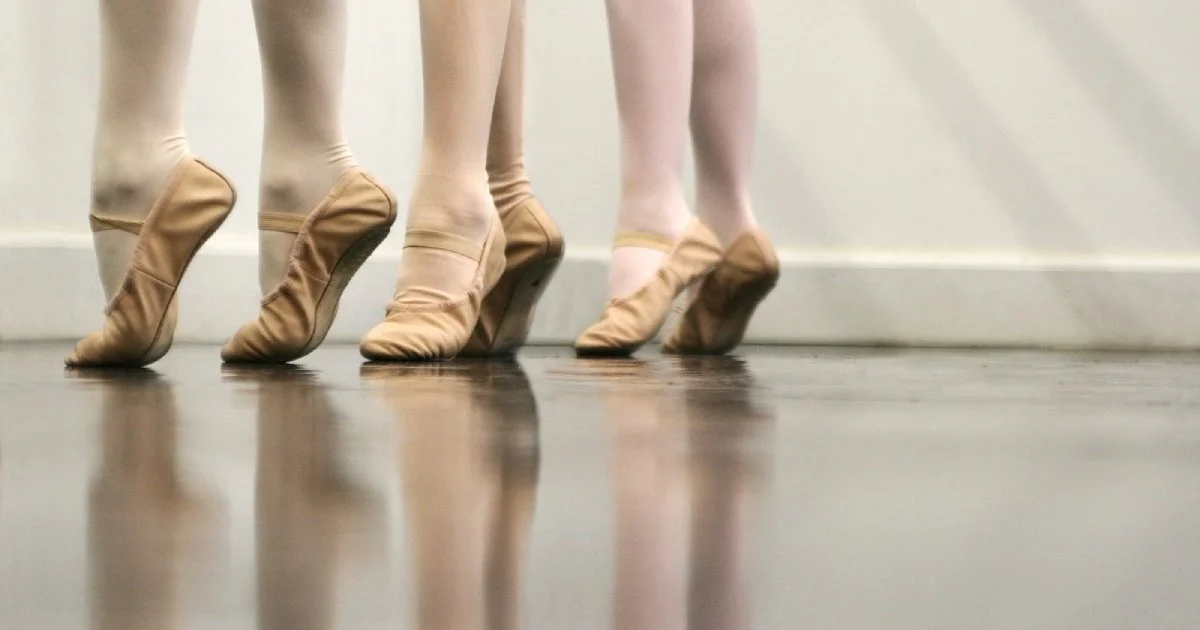
Ballet may look delicate and effortless on stage, but behind every graceful movement lies years of structured training, discipline, and strong fundamentals. While dance styles continue to evolve, classical ballet remains one of the most important foundations for anyone stepping into the world of dance. From young children taking their first steps to older students refining technique, ballet continues to play a lasting role in shaping confident, capable dancers.
A Strong Foundation for All Dance Styles
Many modern dance forms draw heavily from ballet techniques. Whether it is jazz, contemporary, or even hip-hop, elements such as balance, posture, and control often trace back to classical training. Ballet teaches dancers how to hold their bodies correctly, move with intention, and transition smoothly between steps.
This foundation is especially valuable for beginners. When children start with proper technique, they develop muscle memory that supports them as they explore other styles later on. Without this grounding, it becomes harder to correct habits or refine movements down the line.
Building Discipline and Focus
Ballet is structured, and that structure plays a key role in helping students develop discipline. Classes follow a clear format, often beginning with barre work before progressing to centre exercises and combinations. This repetition is not just about practice, but about building consistency.
For children, this routine creates a sense of stability. They learn to listen, follow instructions, and stay focused for extended periods. These skills often carry beyond the studio, supporting them in school and other activities.
At the same time, ballet encourages patience. Progress does not happen overnight, and students gradually learn that improvement comes from effort and persistence. This mindset can be incredibly valuable as they grow.
Supporting Physical Development
Ballet training strengthens the entire body. From core stability to leg strength and flexibility, each exercise is designed to improve physical control. Unlike high-impact activities, ballet focuses on controlled, precise movements that promote long-term strength without unnecessary strain.
Young dancers benefit from this early exposure to structured movement. It helps improve coordination, posture, and spatial awareness. Over time, they become more comfortable with how their bodies move, which builds both confidence and ease in physical activity.
This is one reason why many parents consider preschool ballet classes as a starting point. These early lessons introduce movement in a gentle and engaging way, allowing children to explore dance while developing important motor skills.
Encouraging Confidence and Self-Expression
Stepping into a dance class for the first time can feel intimidating, especially for younger children. Ballet provides a supportive environment where students can gradually become more comfortable expressing themselves.
Through simple routines and performances, children learn to present themselves in front of others. Even small achievements, such as mastering a step or remembering a sequence, can boost their self-esteem. Over time, these experiences help build confidence early, giving them the courage to try new things both inside and outside the studio.
Ballet also allows for creativity within structure. While technique is important, students are encouraged to bring emotion and personality into their movements. This balance between discipline and expression makes ballet both challenging and rewarding.
Developing Musicality and Rhythm
Music is at the heart of ballet. Students learn to move in time with the music, understand rhythm, and respond to changes in tempo. This sense of musicality enhances their overall performance and helps them connect more deeply with the art form.
For younger dancers, this connection to music makes classes more engaging and enjoyable. It turns learning into an experience rather than a task, keeping them motivated to continue.
Learning Grace, Posture, and Body Awareness
One of the most noticeable benefits of ballet is improved posture. Dancers are constantly reminded to stand tall, engage their core, and align their bodies correctly. Over time, this awareness becomes second nature.
Good posture is not just about appearance. It also supports overall health, reducing strain on the body and improving balance. For students who spend long hours sitting in school, ballet offers a refreshing way to reset and strengthen their bodies.
Beyond posture, ballet teaches grace in movement. Students learn how to move with control, making even simple actions look polished. This sense of awareness often carries into daily life, influencing how they walk, sit, and carry themselves.
A Timeless Art with Lasting Benefits
Despite the rise of new dance trends, ballet continues to remain relevant. Its techniques have stood the test of time because they work. They provide a reliable framework that supports dancers at every stage of their journey.
For those who choose to pursue dance more seriously, classical training becomes even more important. It prepares them for advanced techniques, auditions, and performances. Even for those who dance recreationally, the skills gained from ballet offer lifelong benefits.
Creating a Positive Learning Environment
The experience of learning ballet goes beyond technique. A good class environment encourages students to feel safe, supported, and motivated. Teachers play a key role in guiding students through challenges while celebrating their progress.
For younger children, this positive environment makes a significant difference. When they feel comfortable, they are more willing to participate, try new movements, and enjoy the learning process. This early exposure to a nurturing setting helps shape their attitude towards learning as a whole.
More Than Just Dance
Ballet is not just about performing on stage. It is about building life skills that stay with students long after they leave the studio. Discipline, confidence, resilience, and self-expression are all part of the journey.
Parents often notice these changes over time. Children become more focused, more confident, and more aware of themselves. These are qualities that support them in many areas of life, from school to social interactions.
Conclusion
Classical ballet continues to matter because it offers more than just movement. It builds a strong foundation, supports physical and emotional development, and creates a space where students can grow with confidence. Whether a child is just starting out or looking to deepen their skills, ballet remains a meaningful and valuable part of their journey.
If you are considering introducing your child to dance or looking to build a strong foundation in ballet, explore the programmes at Visions Dance Studio. With experienced instructors and a supportive environment, it is a great place for young dancers to learn, grow, and enjoy every step of the journey.
